
Original component manufacturing
Machine vision cameras, lenses, lighting, smart cameras, barcode readers, 3D vision, F/FL/FS flexible feeders and DTA workstations are presented as original factory product families, not reseller catalogs.
Machine vision components and inspection systems
Send sample images, FOV, working distance, line speed or a reference model. Deyi Vision returns a camera, lens, lighting, reader or feeder route with acceptance checks before quotation.
 ROI 01 PASS
 Engineering contact
Deyi Vision can review the inspection goal, sample evidence, FOV, working distance, line speed and current model reference before recommending a camera, lens, lighting or reader route.
Product architecture
Start from capture hardware, controlled lighting or compact decision modules, then move to the remaining product families when the inspection evidence calls for them.
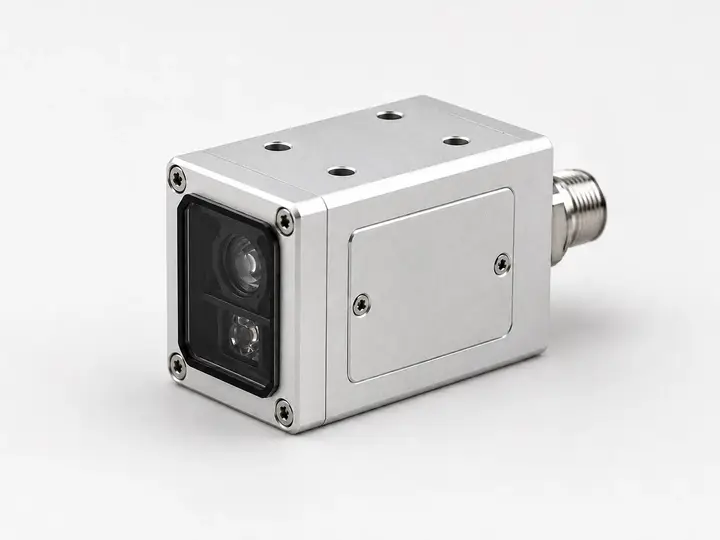
Camera interface route
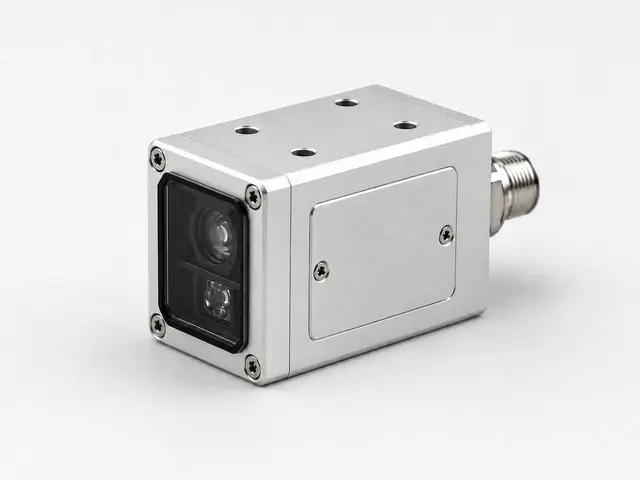
Contrast selection route
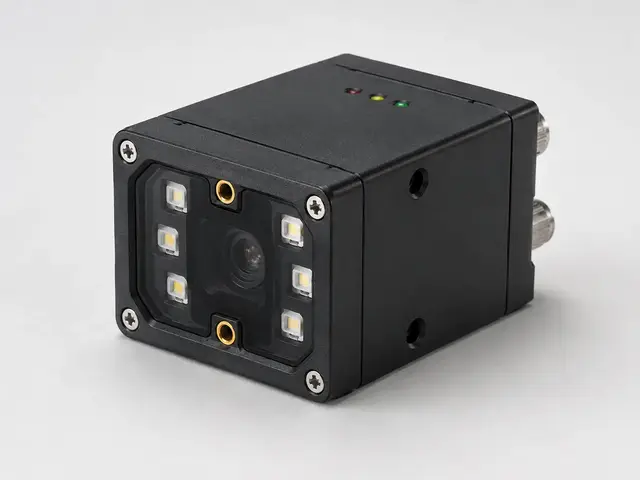
Line-side decision route
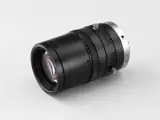
Optics selection route
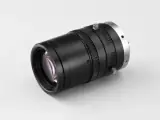
Precision measurement route
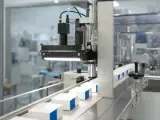
Full inspection route
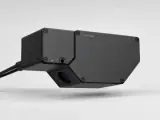
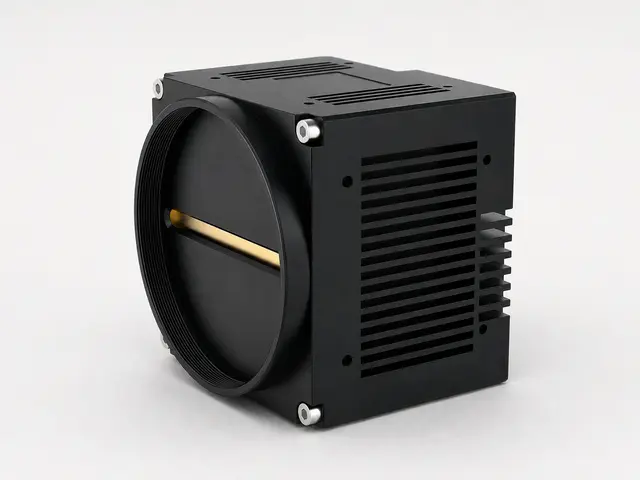
Continuous web route
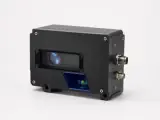
Geometry evidence route
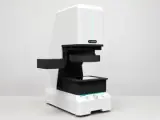
Fast measurement route
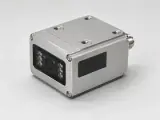
Traceability route
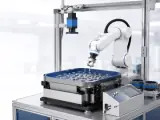
0.1-100mm part range
Start from cameras, lighting, lenses, 3D vision, smart cameras, barcode readers or flexible feeders.
02 Solve Inspection ProblemsStart from defect detection, measurement, OCR, robot guidance or traceability.
03 Compare Brand Reference RoutesMap Keyence, Cognex, Basler, OPT and LMI references to factory-direct component routes.
RFQ-ready engineering guides
These guides organize production-ready projects around flexible feeder robot loading, reflective metal scratch inspection, EV battery weld height, barcode traceability and line-scan web defects.
Plan flexible feeder robot loading for screws, terminals, contacts and small molded parts by part behavior, tray route, vision positioning and pickup repeatability.
Engineering guideSelect lighting for reflective metal scratch, burr and surface defect inspection by glare behavior, defect direction, camera angle and acceptance evidence.
Engineering guidePlan EV battery weld-height inspection by profile width, Z tolerance, reflective surface behavior, trigger timing and reject output.
Engineering guideDesign packaging label and barcode inspection for wrong-label risk, no-read events, label position, print verification, conveyor speed and reject output.
Engineering guidePlan DPM code reading on reflective metal parts by mark type, surface finish, lighting angle, reader distance, read-rate target and no-read handling.
Engineering guidePlan roll-to-roll film defect inspection by web width, line scan camera route, line light uniformity, encoder timing, smallest defect and false reject control.
Machine vision basics
A production-focused explanation of how cameras, lenses, lighting, fixtures and reject logic become a repeatable inspection station.
BasicsFollow the machine vision workflow from trigger and image capture to lighting, processing, decision output and RFQ evidence.
BasicsCompare industrial cameras and regular cameras by trigger control, lens route, interfaces, repeatability and factory integration.
BasicsUnderstand area scan cameras for indexed parts, snapshots, robot guidance, defect inspection and measurement tasks.
BasicsPlan line-scan inspection for moving web, roll-to-roll and continuous material by width, speed, encoder timing and line-light stability.
BasicsA beginner-friendly guide to choosing machine vision lighting by contrast, surface behavior and defect type.
Original factory proof
Machine vision cameras, lenses, lighting, smart cameras, barcode readers, 3D vision, F/FL/FS flexible feeders and DTA workstations are presented as original factory product families, not reseller catalogs.
Engineering review starts from real parts, defect samples, working distance, field of view, line speed, accuracy target and mounting limits.
Selections include interface, trigger, I/O, lighting, fixture and reject-output considerations so integrators can build inspection cells faster.
When a project references Keyence, Cognex, Basler, OPT, LMI or DataMan, Deyi Vision maps the requirement to a neutral factory-direct component route.
Delivery evidence
Deyi Vision publishes 8 anonymized delivery routes and 4 evidence layers: factory identity, sample proof, acceptance checks and delivery documentation.
Each route links the inspection problem to hardware stack, acceptance checks and RFQ evidence.
Factory identity, sample proof, measurable acceptance and delivery documentation are separated.
Cameras, lenses, lights, readers, 3D vision, measuring systems and flexible feeding routes are cross-linked.
Complete RFQs can be converted into a first engineering route before formal quotation.
Application routes
The site is structured around engineering route inputs: defect type, product surface, working distance, speed, barcode type, precision target and budget route.
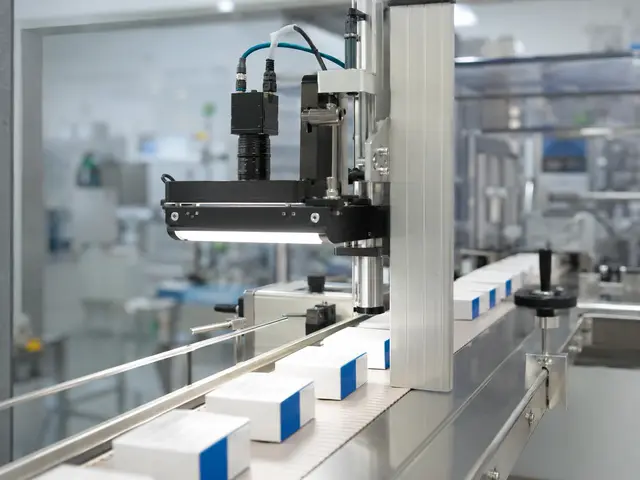
Reference-model comparison
Comparison pages will use neutral selection-guide language and focus on fit, budget, inspection constraints and engineering tradeoffs.
Industry entry points
Delivery case routes
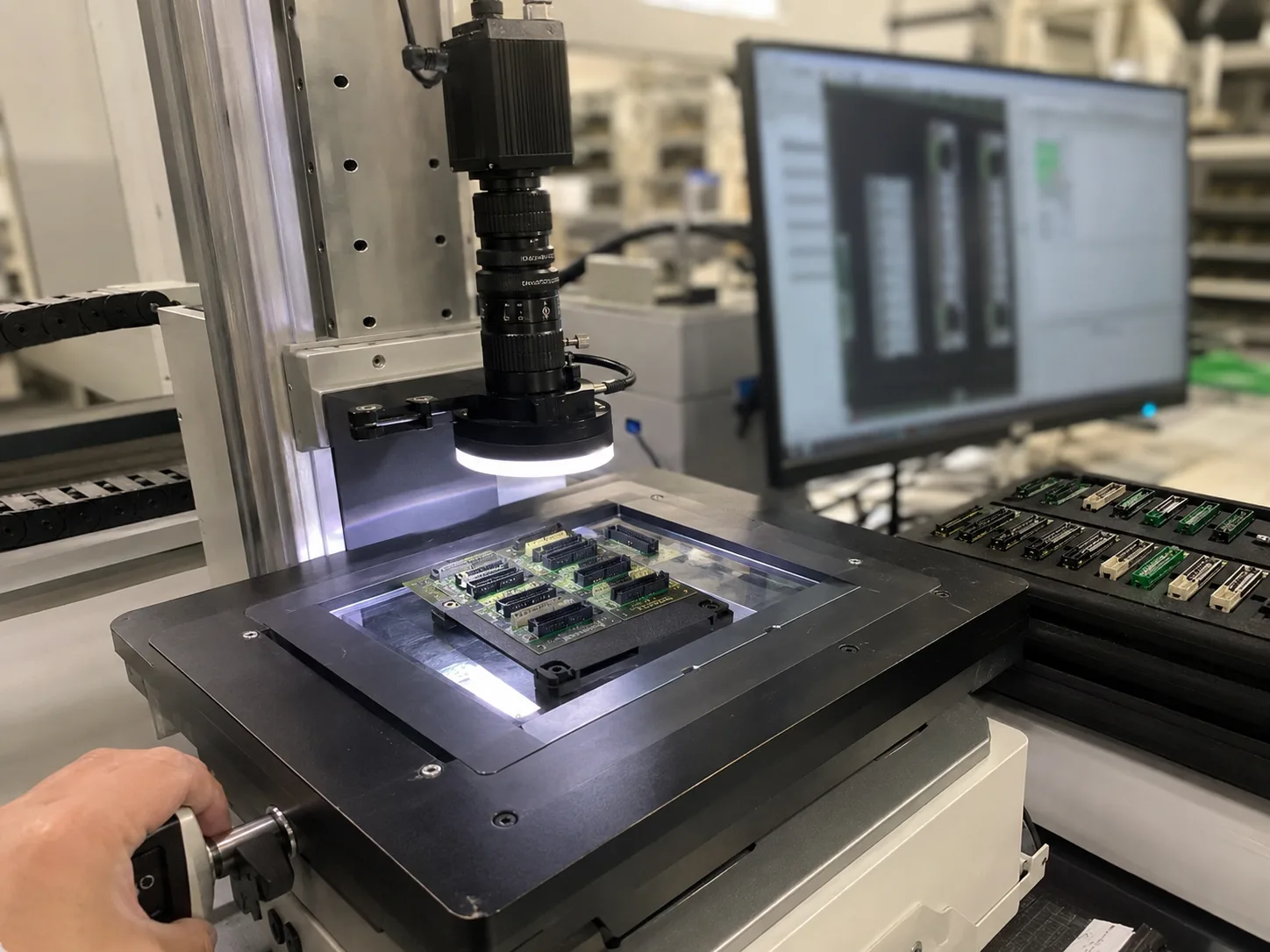
Best used when a buyer needs proof that small metal pins remain visible after fixture, height and reflection changes.
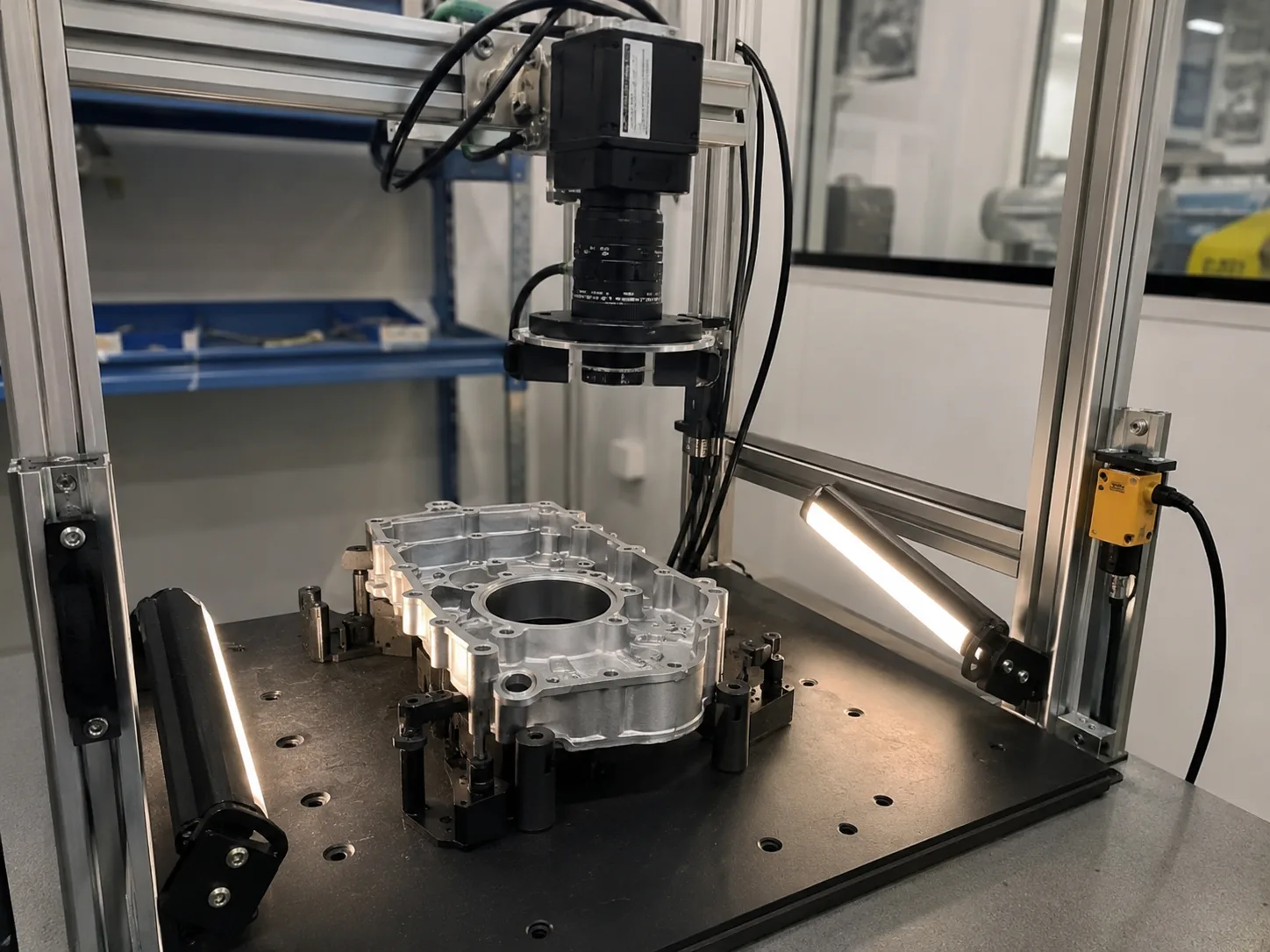
Best used when the metal finish changes from batch to batch and the lighting route must be proven before quoting.
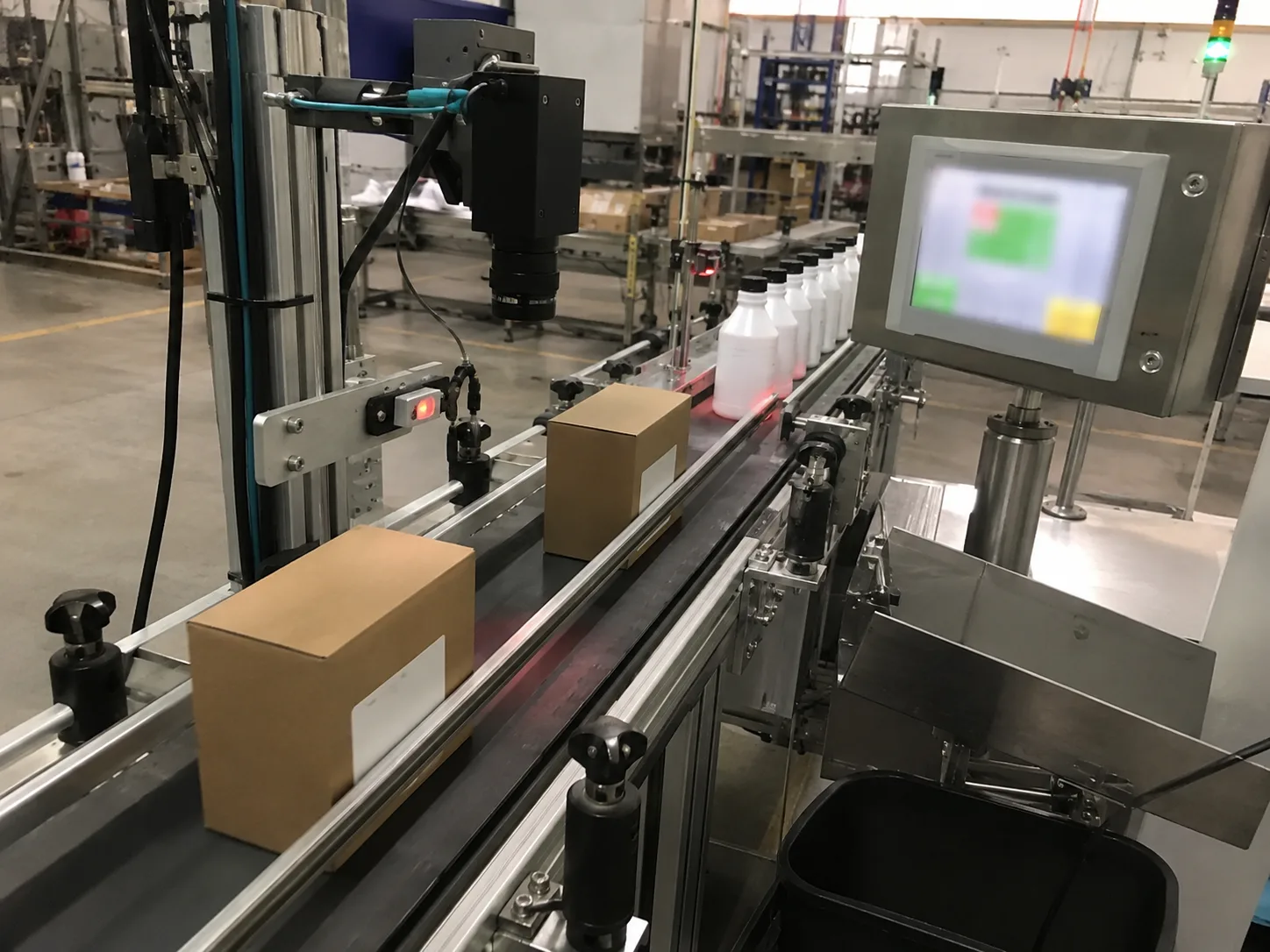
Best used when shipping errors, no-read events or wrong-label risk must be reduced without slowing the conveyor.
Factory-direct product pages with engineering parameters
Flexible feeder F, FL, FS and DTA robot loading routes for small-part automation
Eight anonymized delivery routes for electronics, automotive, packaging, battery, web and robot guidance projects
Trust center with factory identity, sample proof, acceptance checks and NDA-safe delivery documentation
Comparison guides for Keyence, Cognex, Basler, OPT and LMI reference-model demand
Original manufacturer RFQ flow for sample image review and technical selection
Fastest conversion path
Camera, lens, lighting, reader or inspection route mapped to your real production constraints.