Product route

Industrial Barcode Readers

Fixed mount barcode reader, DPM reader, conveyor code reader and traceability routes for logistics, packaging and manufacturing lines.

Manual scanning or handheld readers cannot maintain read rate at production speedConfirm code size, distance, conveyor speed, trigger timing, read-rate target and surfaceLabel codes need stable focus
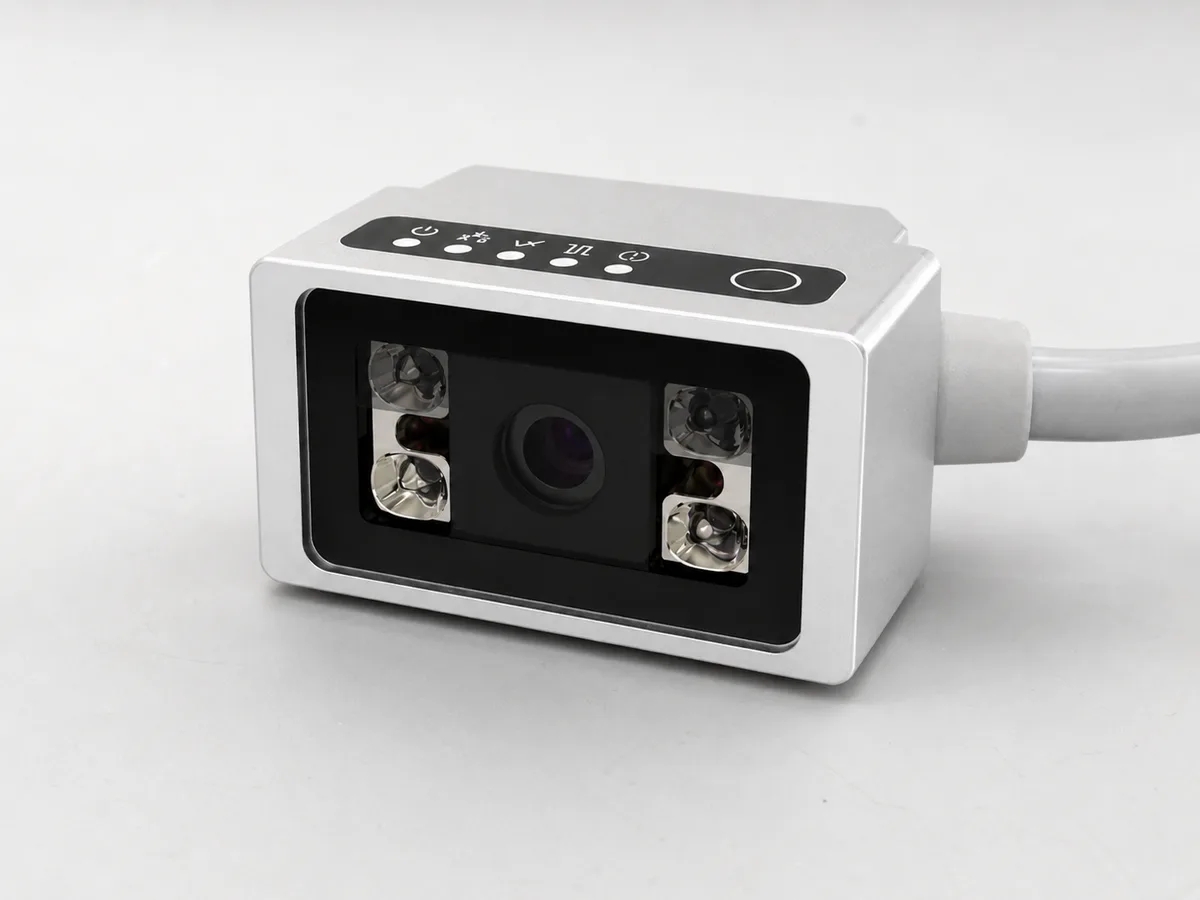
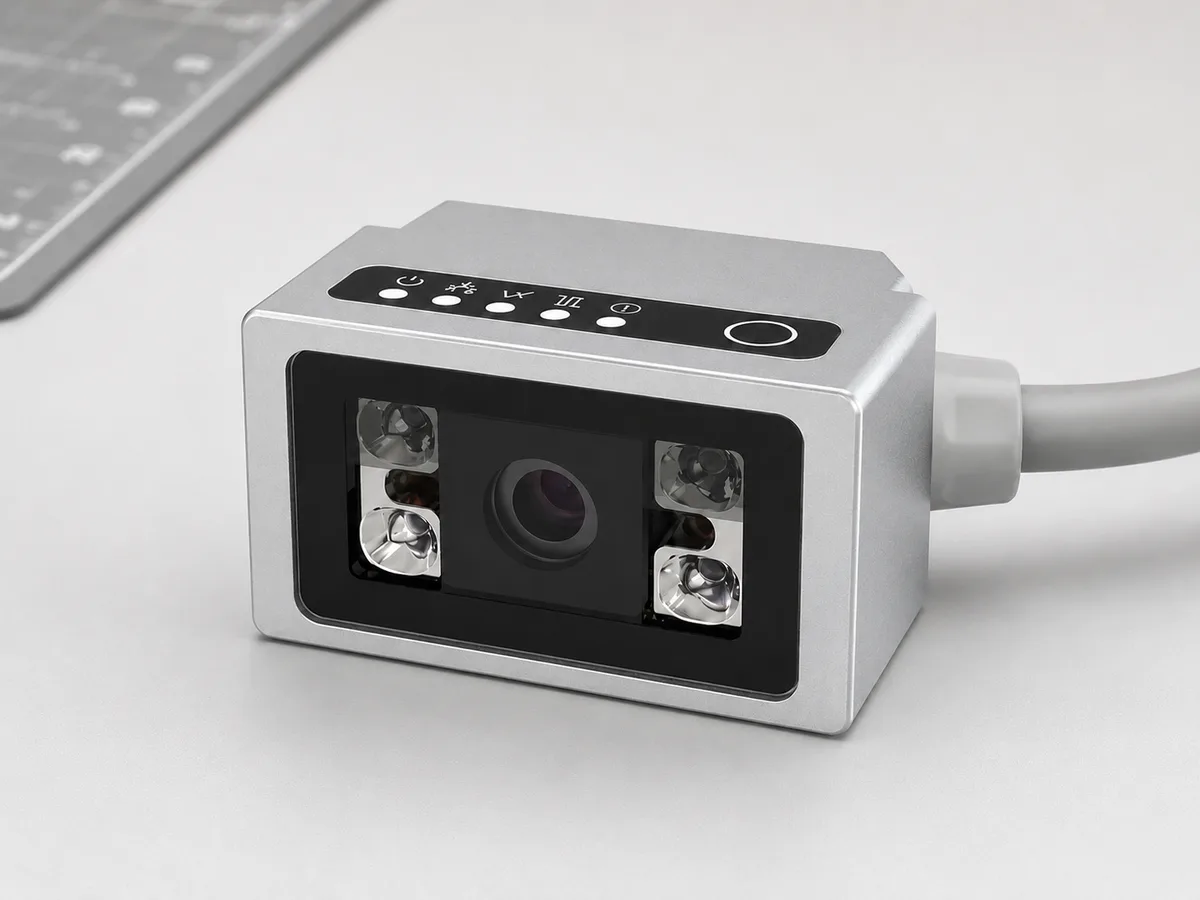
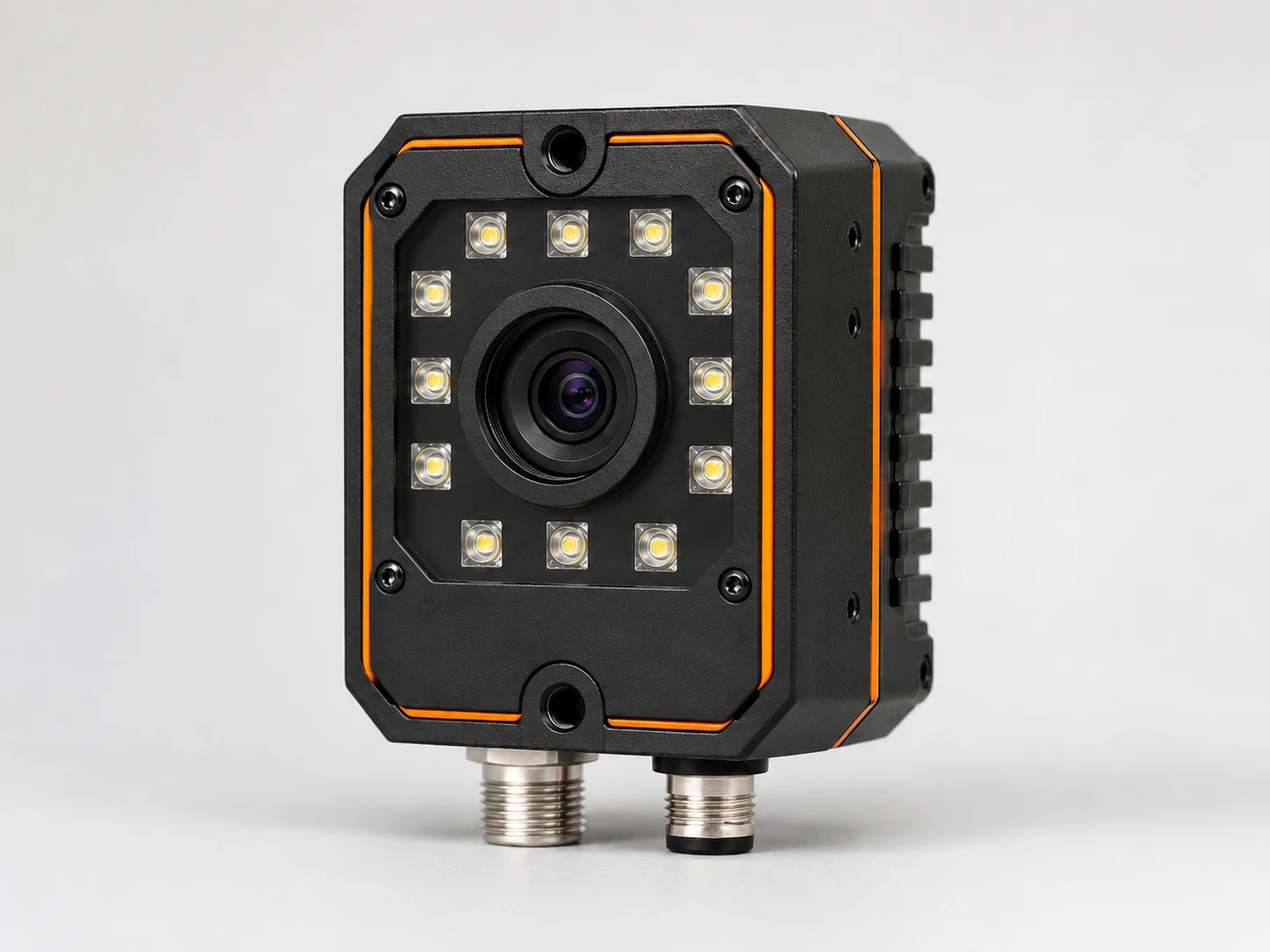
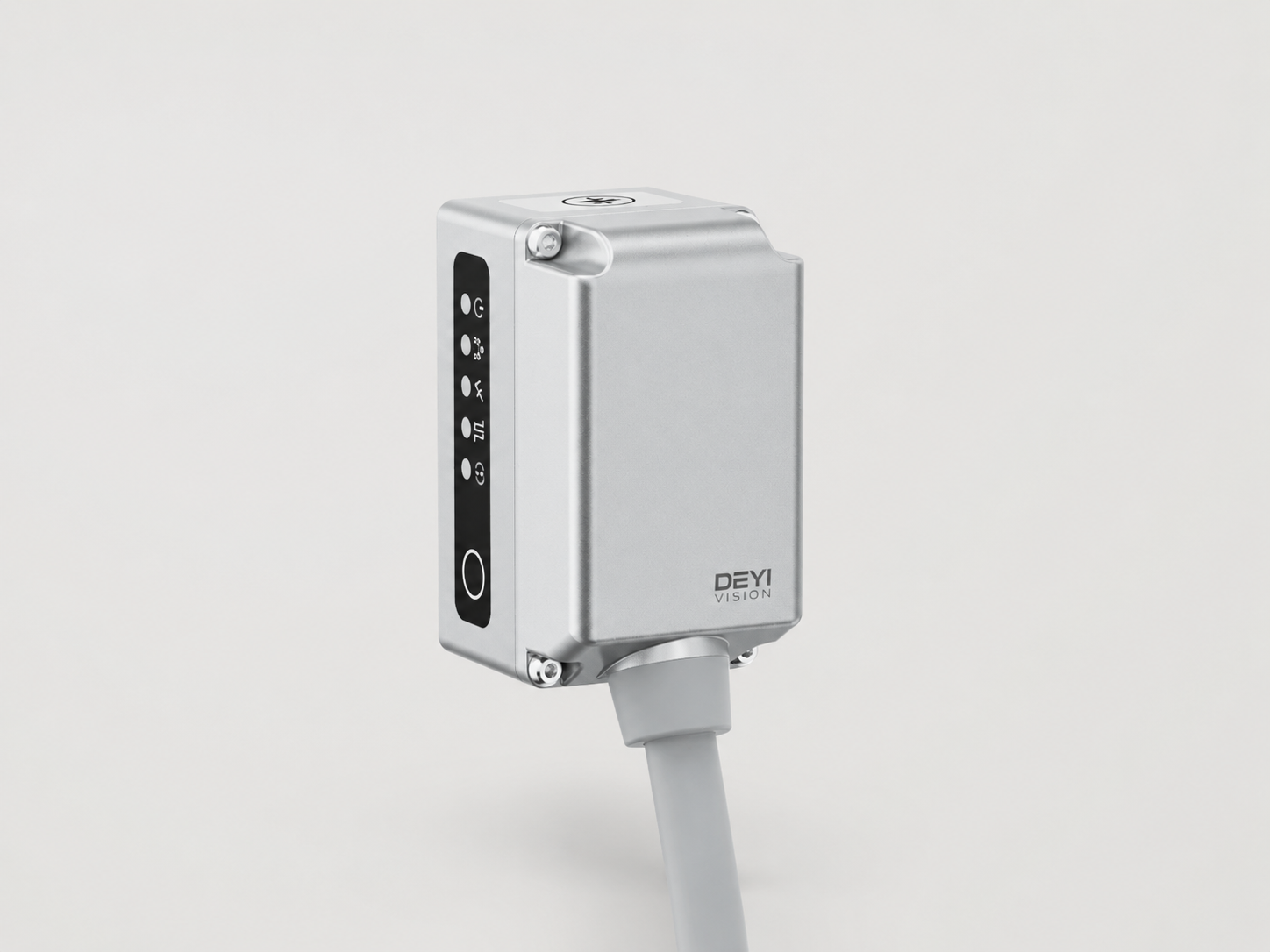
Industrial Barcode Readers product photo
Best-fit route

When to review industrial barcode readers.

The Industrial Barcode Readers route fits logistics sorting, dpm code reading, packaging traceability, production line code verification, fixed scanner read-rate improvement projects. Confirm code size, code type, motion speed and read-rate target before reader selection.

Key parameters

Confirm these before model selection.

Fixed mount barcode reader, DPM / label, Traceability I/O are only the starting point. Also confirm field of view, working distance, line speed, interface, trigger timing and mounting limits.

Evidence to prepare

Send evidence before asking for a part number.

Share sample images, good and bad parts, current reference model, target defect, tolerance, production speed and available fixture space.

When not to use this route

Use these limits before locking a model.

  • Do not lock a reader while code size, print quality, reading distance and line speed are undefined.
  • Do not treat poor DPM marks as a reader-only problem when marking process or lighting must change.
  • Do not quote without read-rate target, no-read handling and I/O workflow.
What engineering should confirm first

Send route evidence before asking for a final part number.

  • Part photos or short line video
  • Good and bad sample examples
  • Target feature size or tolerance
  • Field of view and working distance
  • Line speed, trigger and interface needs

When this route is a good fit

Industrial barcode reader selection depends on code type, code size, distance and speed; Deyi reviews fixed-mount, DPM and conveyor routes with read-rate targets.

Use RFQ checklist
Best-fit signals

Use this route when the project matches these constraints.

Use when
Manual scanning or handheld readers cannot maintain read rate at production speed.
Core numbers
Confirm code size, distance, conveyor speed, trigger timing, read-rate target and surface.
Route split
Label codes need stable focus; DPM codes usually need controlled lighting angle.
Selection risks to check

Do not quote this route before these checks are clear.

  • Do not evaluate a reader only with clean printed labels if production includes damaged or curved codes.
  • Do not ignore no-read routing, reject logic and traceability handoff.
  • Do not quote DPM reading without real samples from the worst surface finish.

Swipe horizontally to compare buyer situation, inspection constraint, recommended route and what to send.

Buyer situation Inspection constraint Recommended route What to send
Fixed reader review for production and logistics traceability Fixed reader RFQ Fixed reader route for production and logistics traceability. Send code type, code size, speed, distance and lighting condition.
Stationary reader for conveyors, machines and automated cells Fixed-mount reader review Stationary reader for conveyors, machines and automated cells. Confirm trigger method, mounting angle and read-rate target.
Fixed-mount reader review for automated production stations and conveyor identification Fixed-mount naming variant Fixed-mount reader route for automated production stations and conveyor identification. Send code distance, motion speed, mounting envelope, trigger timing and PLC/no-read handling.
Direct part mark review for laser, dot-peen, etched or low-contrast codes DPM reader review Direct part mark route for laser, dot-peen, etched or low-contrast codes. Provide material, mark method, surface finish and worst-case samples.
Industrial code reader review for 1D, 2D, label and direct-part-mark traceability Factory traceability project Industrial code reader route for 1D, 2D, label and direct-part-mark traceability. Confirm code type, code grade, read distance, read-rate target and reject workflow.
Reader plus I/O/data review for manufacturing traceability Traceability handoff review Reader plus I/O/data route for manufacturing traceability. Confirm PLC, reject logic, database handoff and no-read handling.

How buyers should compare this route

Build the product route around the inspection target, not the catalog model.

Open RFQ checklist
When this route is a good fit

Use industrial barcode readers when the inspection evidence matches the route.

Industrial Barcode Readers should be evaluated when the project is tied to logistics sorting, dpm code reading, packaging traceability, production line code verification, fixed scanner read-rate improvement. A useful review starts from the part behavior, target feature, motion condition and current failure mode, then maps those limits to the right component family instead of forcing one catalog model.

  • Logistics sorting
  • DPM code reading
  • Packaging traceability
  • Production line code verification
  • Fixed scanner read-rate improvement
How buyers should compare this route

Compare constraints, not only specifications.

Use industrial barcode readers selection as a system decision: lens, lighting, fixture, trigger, interface and software all affect repeatability. The safest shortlist is created only after sample images, line speed and output constraints are reviewed together.

  • Confirm code size, code type, motion speed and read-rate target before reader selection.
  • Separate printed label, 2D code and DPM-code requirements because each needs different lighting and mounting assumptions.
  • Lighting, mounting angle, trigger timing and no-read routing often matter more than reader model.

What engineering should confirm first

Four checks before locking the industrial barcode readers route.

This workflow keeps the RFQ focused on the real inspection constraint and reduces the risk of buying a component that works on paper but fails under production lighting, motion or fixture variation.

  1. Define the inspection target State the defect, code, edge, height, presence check or measurement result that must be accepted or rejected.
  2. Lock optical and mechanical constraints Confirm field of view, working distance, mounting space, part motion, fixture stability and available light geometry.
  3. Match the component route Review industrial barcode readers with related lenses, lighting, controllers, I/O and software rather than selecting one part number in isolation.
  4. Validate with samples Use good parts, bad parts and edge-case samples to confirm contrast, repeatability, read rate or measurement stability before purchase.

Reviewed selection basis

Review model data, buyer constraints and acceptance risk before RFQ lock.

Manufacturer seriesIndustrial barcode reader series Selection basisXS-Code barcode reader route Model routeDeyi-supported model route Buyer reference modelKeyence / Cognex / Datalogic

Model parameter matrix

Model-level parameters reviewed against manufacturer specs before RFQ lock.

Send model RFQ
Compact fixed barcode reader

DY-R275-A

Reference model reviewed: R275-A

Feature route mapped Official API source Request this route
Series
R compact barcode reader
Small-code reading
0.5mm ultra-small code route
Damaged-code reading
Finder-pattern / L-corner damage up to 30% in official example
DPM route
Curved reflective metal, brushed metal and variable-depth pin-mark examples
Special optics
Through-glass reading route with polarizing filter
Multi-code
Multiple code symbologies and simultaneous multi-code reading
Route use
Compact production, SMT tray, semiconductor and logistics code reading
  • Official API exposes scenario capabilities, not a complete electrical/mechanical datasheet; sample codes still decide final lens and light package.
RS series fixed barcode reader

DY-RS100

Reference model reviewed: RS100

Feature route mapped Official API source Request this route
Series
RS100
Lens options
RS100 6mm / 12mm / 16mm
Optics
New Optical System X-Tech route
Long-distance reading
12/16mm 8MP lens route for challenging long-range codes
Wide-FOV reading
6mm route, over 30% larger FOV than comparable products in official copy
Multi-code
More than 40 codes at one time in official close-range example
Setup
OneClick+ Quick & Max modes; automatic light, exposure and gain optimization
Route use
Stable mounted reading for line-side traceability
  • Official API exposes optical/configuration claims; exact read distance and code size still require sample testing.
RS200 fixed barcode reader family

DY-RS200

Reference model reviewed: RS210 / RS220 / RS250 / RS290

Feature route mapped Official family page Request this route
Series models
RS210, RS220, RS250, RS290
Route use
Higher-spec fixed barcode reader selection route
RFQ lock
Confirm code type, distance, line speed, field width and lighting angle
Integration
Production traceability and logistics reader route
  • Treat as a family route until the exact RS model is locked from a real code-reading sample.

Swipe horizontally to compare reviewed model parameters. Use the mobile cards above on small screens.

Parameter Compact fixed barcode reader DY-R275-A Reference model reviewed: R275-A Feature route mapped Official API source RS series fixed barcode reader DY-RS100 Reference model reviewed: RS100 Feature route mapped Official API source RS200 fixed barcode reader family DY-RS200 Reference model reviewed: RS210 / RS220 / RS250 / RS290 Feature route mapped Official family page
Series R compact barcode readerRS100Confirm during RFQ
Small-code reading 0.5mm ultra-small code routeConfirm during RFQConfirm during RFQ
Damaged-code reading Finder-pattern / L-corner damage up to 30% in official exampleConfirm during RFQConfirm during RFQ
DPM route Curved reflective metal, brushed metal and variable-depth pin-mark examplesConfirm during RFQConfirm during RFQ
Special optics Through-glass reading route with polarizing filterConfirm during RFQConfirm during RFQ
Multi-code Multiple code symbologies and simultaneous multi-code readingMore than 40 codes at one time in official close-range exampleConfirm during RFQ
Route use Compact production, SMT tray, semiconductor and logistics code readingStable mounted reading for line-side traceabilityHigher-spec fixed barcode reader selection route
Lens options Confirm during RFQRS100 6mm / 12mm / 16mmConfirm during RFQ
Optics Confirm during RFQNew Optical System X-Tech routeConfirm during RFQ
Long-distance reading Confirm during RFQ12/16mm 8MP lens route for challenging long-range codesConfirm during RFQ
Wide-FOV reading Confirm during RFQ6mm route, over 30% larger FOV than comparable products in official copyConfirm during RFQ
Setup Confirm during RFQOneClick+ Quick & Max modes; automatic light, exposure and gain optimizationConfirm during RFQ
Series models Confirm during RFQConfirm during RFQRS210, RS220, RS250, RS290
RFQ lock Confirm during RFQConfirm during RFQConfirm code type, distance, line speed, field width and lighting angle
Integration Confirm during RFQConfirm during RFQProduction traceability and logistics reader route
RFQ notes
  • Official API exposes scenario capabilities, not a complete electrical/mechanical datasheet; sample codes still decide final lens and light package.
  • Official API exposes optical/configuration claims; exact read distance and code size still require sample testing.
  • Treat as a family route until the exact RS model is locked from a real code-reading sample.
Quote variables

What changes the route, cost and delivery review.

Application route
Logistics sorting, DPM code reading, Packaging traceability, Production line code verification, Fixed scanner read-rate improvement
Hardware scope
Fixed mount barcode reader, DPM / label, Traceability I/O
Buyer reference model
Keyence / Cognex / Datalogic
Risk checks

Common reasons product selection goes wrong.

  • Choosing by resolution, catalog size or brand reference before defining the inspection target.
  • Ignoring lighting, lens, fixture or trigger limits that decide whether the component can repeat on the production line.
  • Requesting a quote without good/bad sample images, line speed, target tolerance or the current failure mode.
Evidence to prepare

Evidence that helps engineering reply faster.

Part photos or short line videoGood and bad sample examplesTarget feature size or toleranceField of view and working distanceLine speed, trigger and interface needsCurrent model, competitor reference or failure mode

Related solution routes

Connect this product family to an inspection problem.

View all solutions

Application case briefs

See how this product family appears in real inspection scenarios.

View all case briefs

Related buying guides

Use these guides to validate the product route before RFQ.

View all resources

Reference alternatives

Compare this product family against reference-model requirements.

View all comparisons

Product RFQ

Need help selecting industrial barcode readers?

Send working distance, target size, speed, defect type, competitor model or sample images before locking a part number.

Request engineering RFQ

Product FAQ

Common questions before selecting industrial barcode readers.

Ask engineering
How do I confirm whether industrial barcode readers fit my project?

Start with the inspection goal, field of view, working distance, line speed and target tolerance. Then match industrial barcode readers with lens, lighting, mounting and I/O requirements instead of choosing by part number alone.

What information improves industrial barcode readers selection accuracy?

Send good and bad sample images, target feature size, field of view, working distance, speed, trigger method, interface requirement and any current reference model. That lets engineering confirm whether industrial barcode reader is the right route or whether another product family is safer.

When should I avoid selecting industrial barcode readers by catalog specs only?

Avoid catalog-only selection when the part is reflective, moving quickly, tolerance-sensitive, space-limited or already failing under manual inspection. In those cases, lighting, lens, fixture and software behavior often matter as much as the component specification.

What information should I send before requesting a machine vision quote?

Send part photos or drawings, target defect or measurement goal, field of view, working distance, line speed, accuracy target, lighting limits and any current camera, lens, light, barcode reader or competitor model.

Do I need a 2D or 3D machine vision system?

Use 2D when contrast, edges, labels or position are enough to judge the part. Use 3D when height, profile, gap, volume, weld shape or surface geometry decides pass or fail.

How should I choose machine vision lighting?

Start from the defect and material surface instead of the camera model. Backlight helps edge measurement, coaxial and dome lighting help reflective surfaces, and bar or ring lighting often works for general presence and defect checks.

Contact

Direct RFQ contact

Talk to engineering about the inspection problem.

Send sample images, competitor model, FOV, working distance and line speed before model selection.

Target: selection brief within 24h
Send sample images