
8
Each in-house example links a problem to component choices and proposed acceptance checks; it is not a customer project.
Application selection examples
These in-house worked examples explain how an inspection problem leads to component choices and proposed acceptance checks. They are not customer projects or measured delivery results. Use the reasoning to prepare your own sample review and test plan.
These routes show how a selection decision is reached and what is checked before acceptance. Numeric values and planning windows are example targets, not achieved results or promised lead times. These are not audited performance figures, not a customer reference list, and not a claim that any particular buyer ran this route.
Not applicable. These routes are illustrative — worked examples of how a selection decision is reached, written in house. No engagement, buyer or site sits behind any of them, so there is no party whose permission could be sought. This is not a record of consent obtained; it is a record that consent has no subject here.
Each in-house example links a problem to component choices and proposed acceptance checks; it is not a customer project.
Factory identity, sample proof, measurable acceptance and delivery documentation are separated.
Cameras, lenses, lights, readers, 3D vision, measuring systems and flexible feeding routes are cross-linked.
Complete RFQs can be converted into a first engineering route before formal quotation.
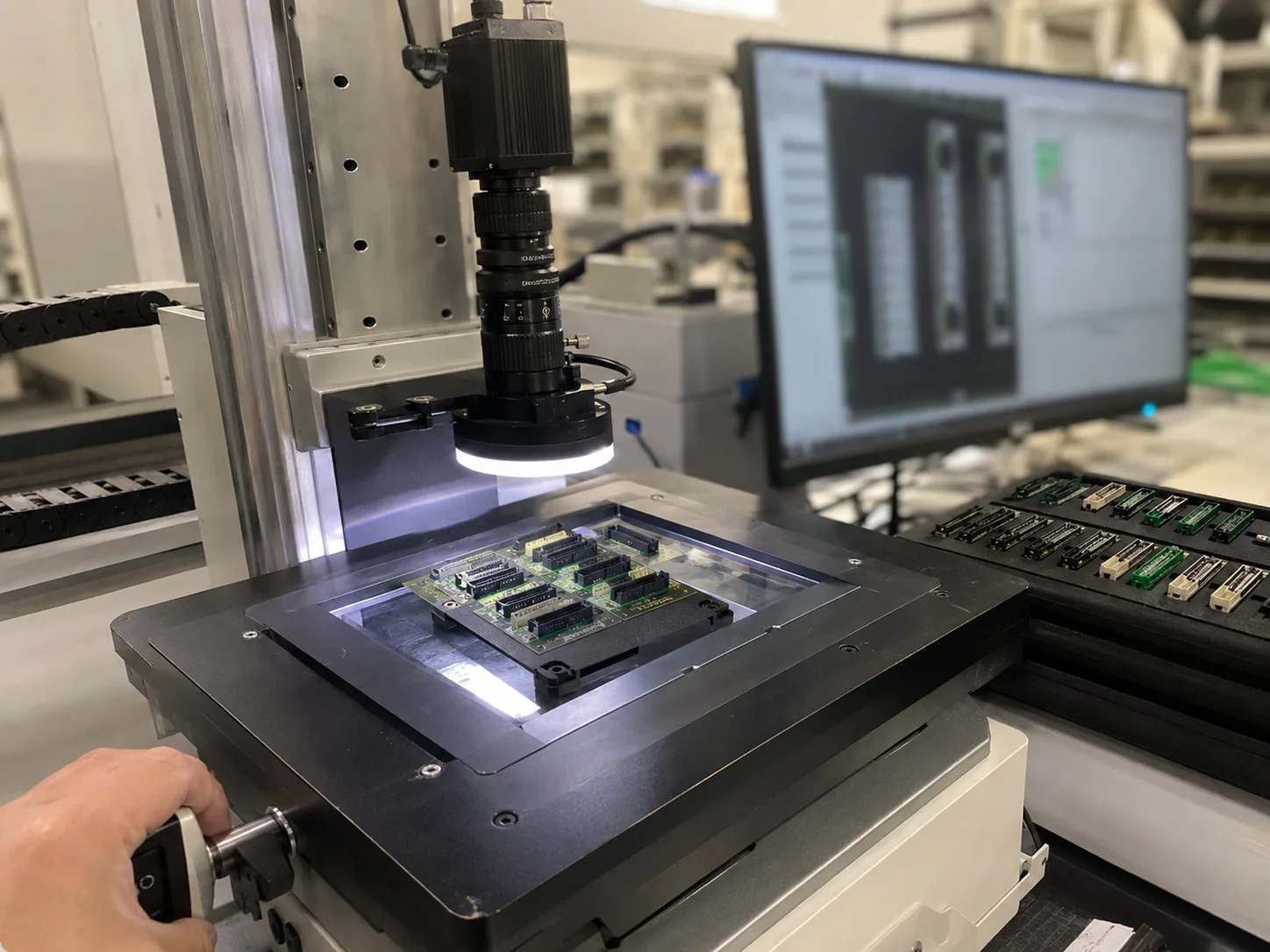
Best used when a buyer needs proof that small metal pins remain visible after fixture, height and reflection changes.
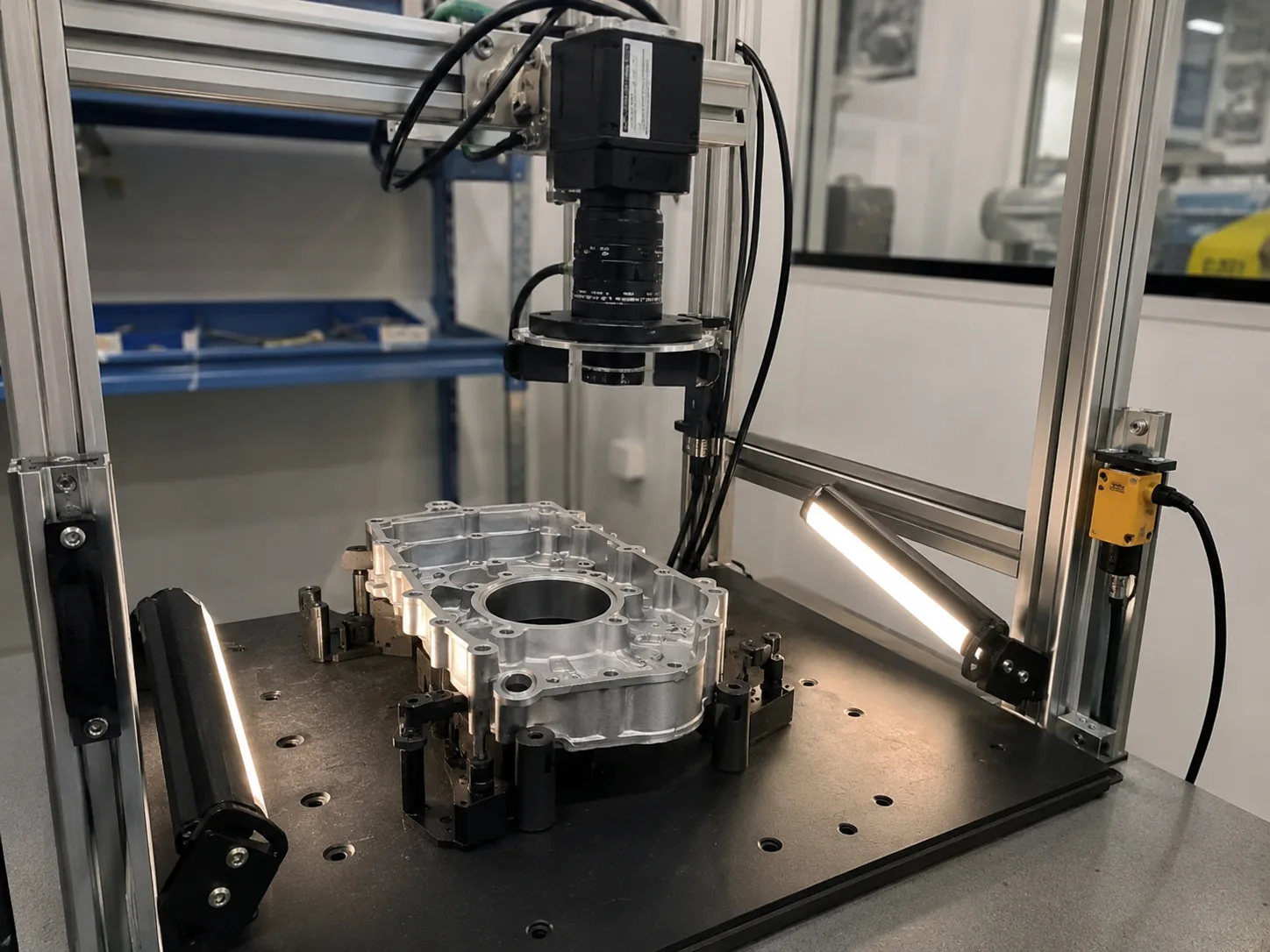
Best used when the metal finish changes from batch to batch and the lighting route must be proven before quoting.
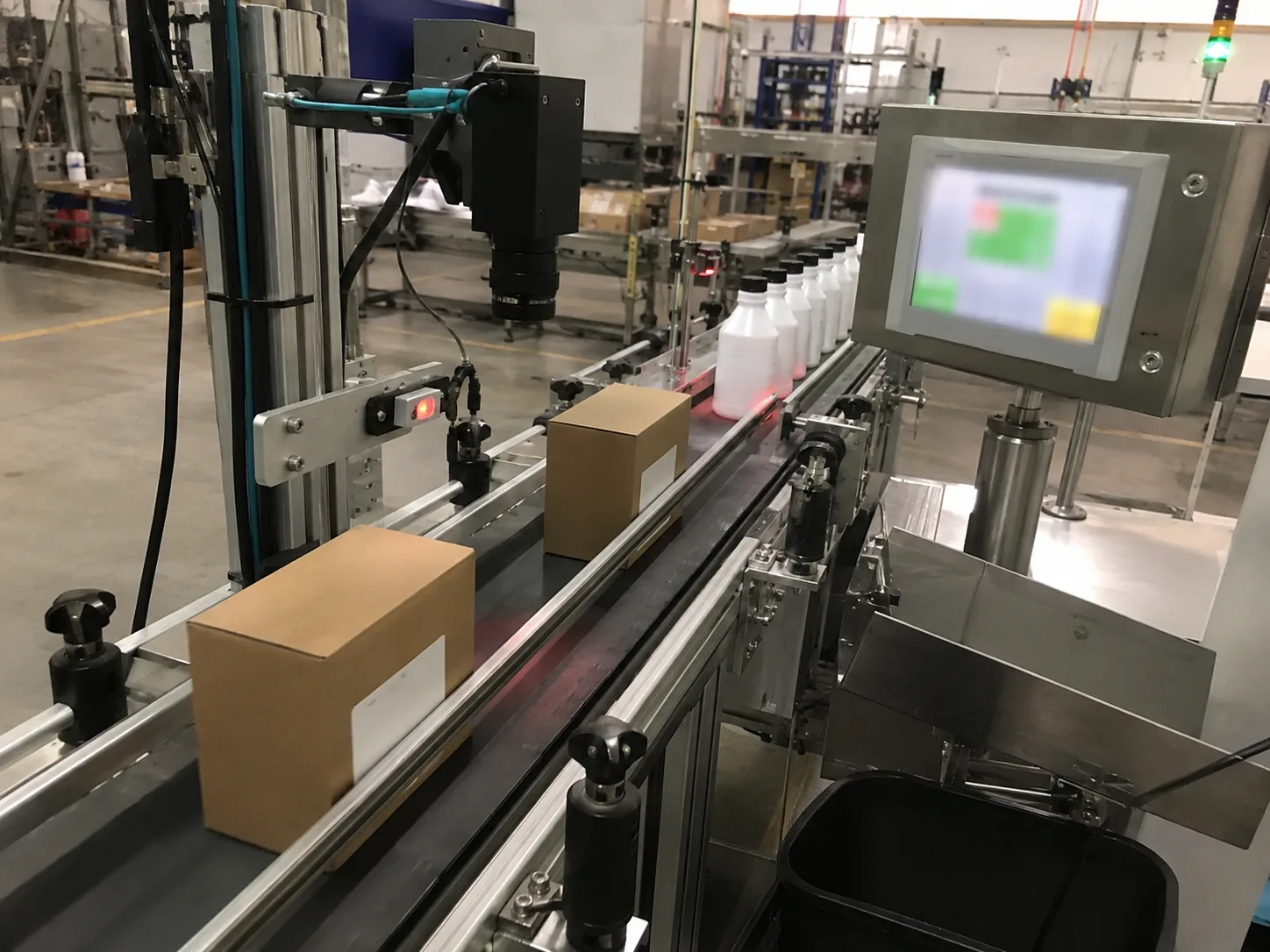
Best used when shipping errors, no-read events or wrong-label risk must be reduced without slowing the conveyor.
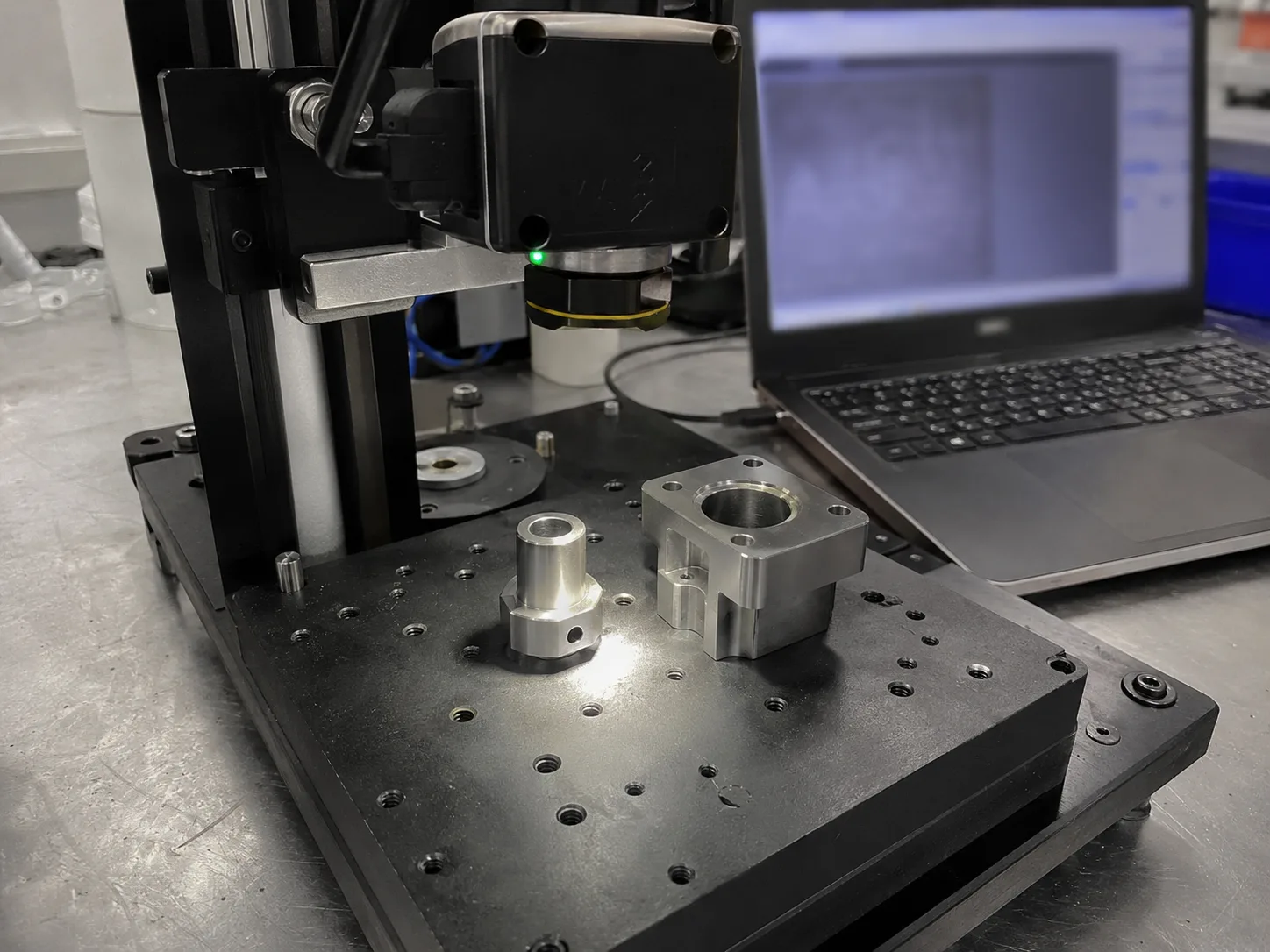
Best used when code contrast depends on mark depth, machining texture or reflective metal surface behavior.
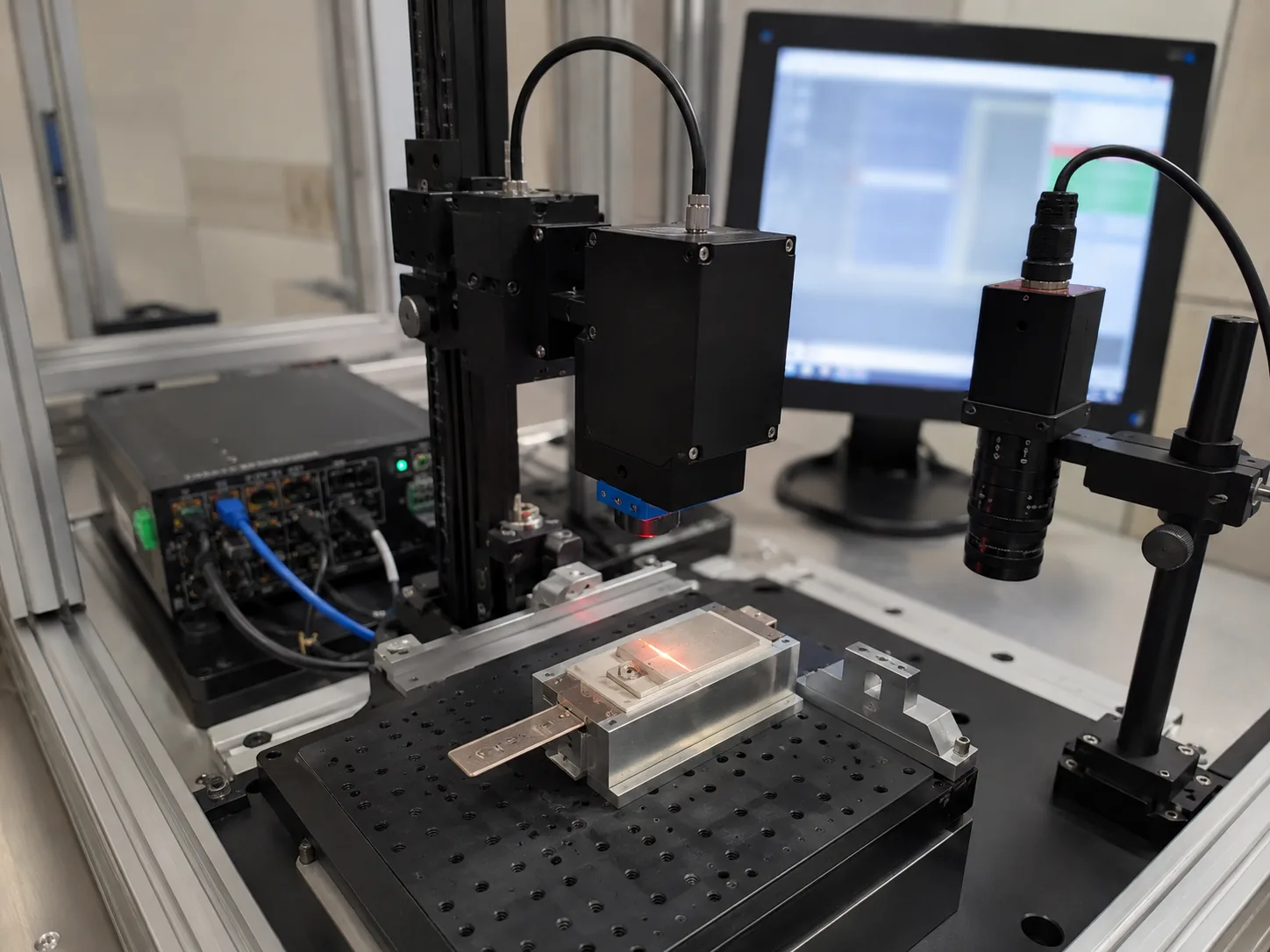
Best used when 2D contrast cannot prove weld geometry and a measurable height or profile route is required.
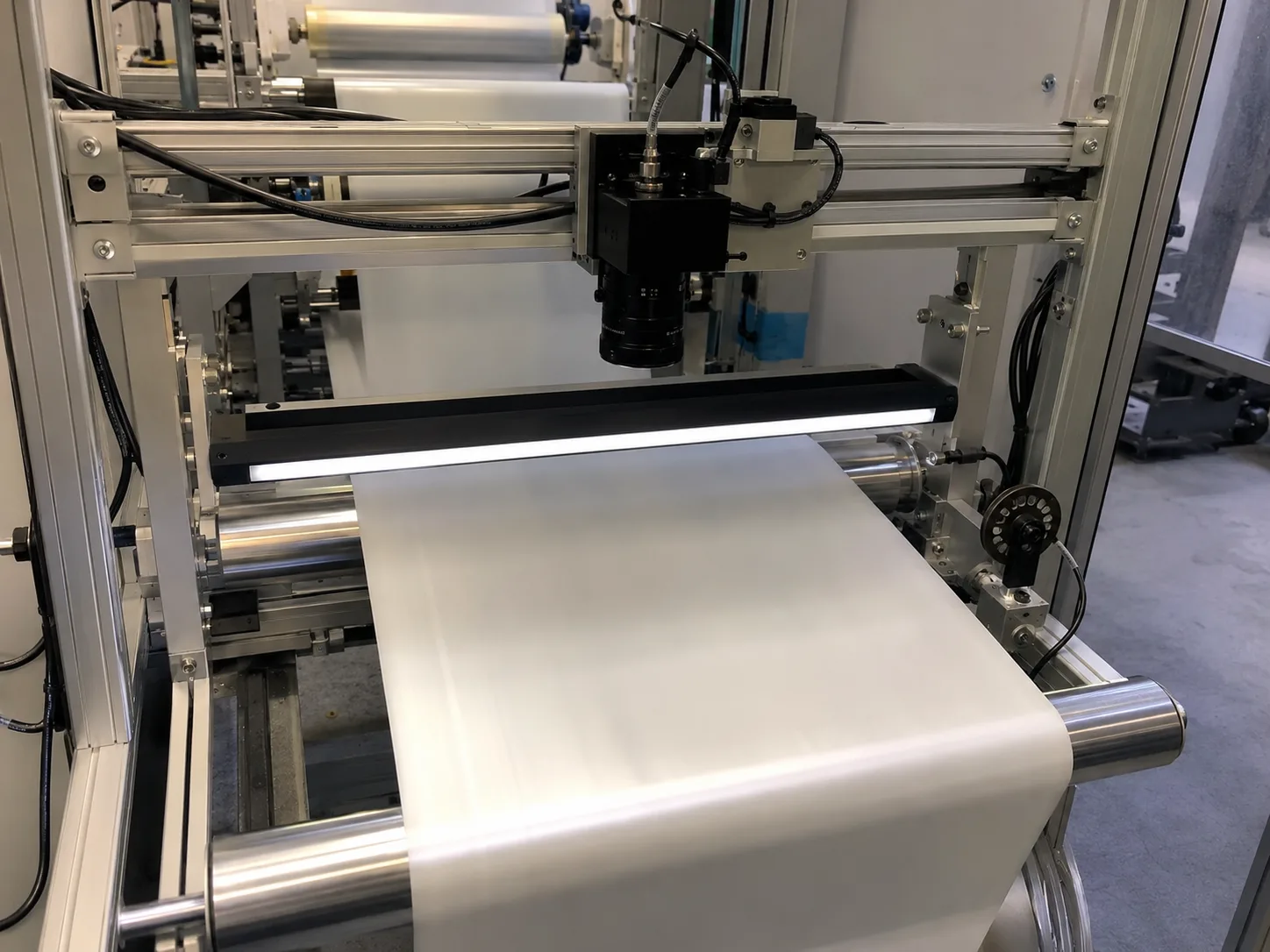
Best used when the inspection must cover moving film, paper, textile or sheet material without motion distortion.
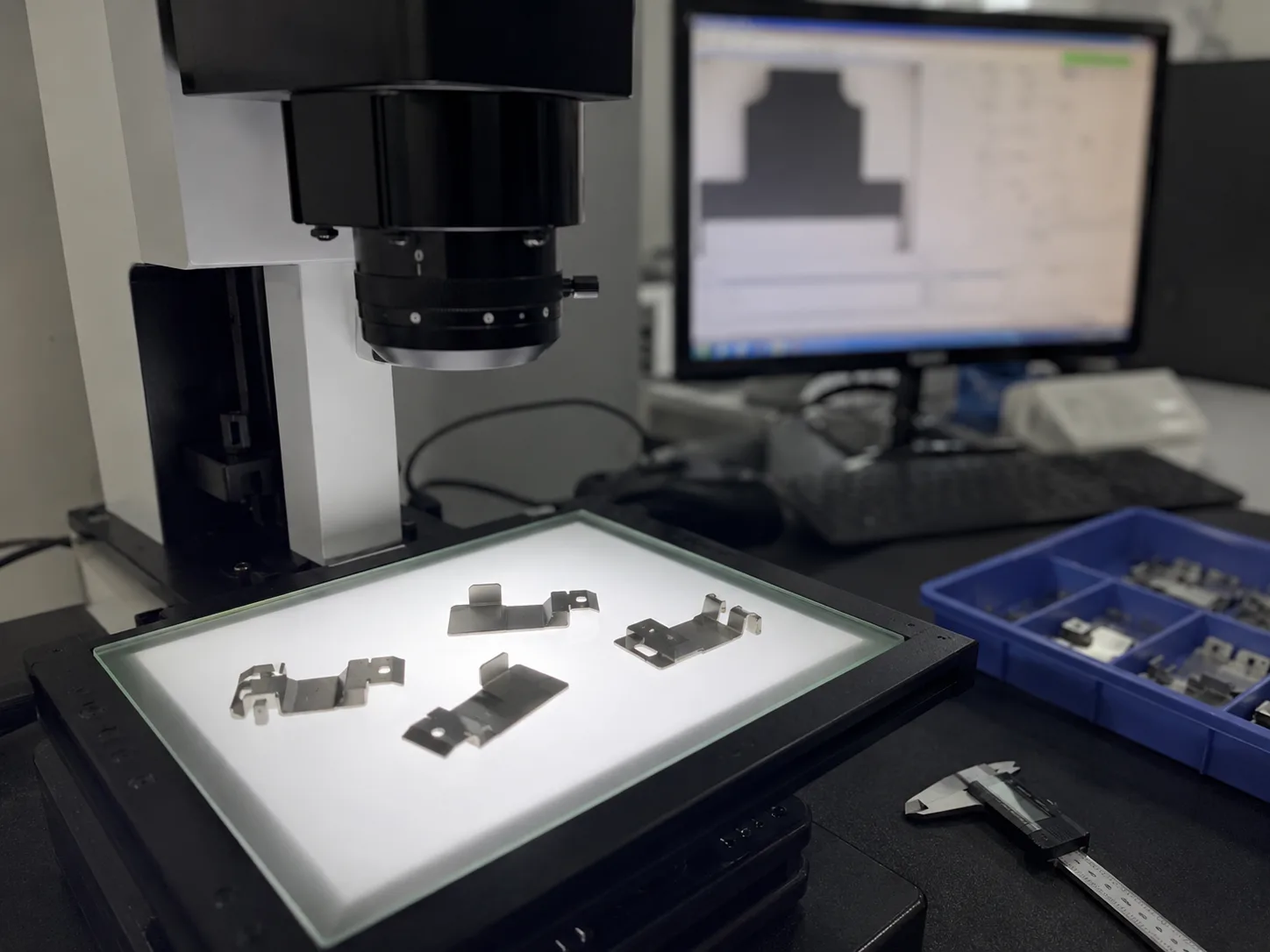
Best used when manual gauges are too slow or inconsistent for small stamped, machined or molded parts.
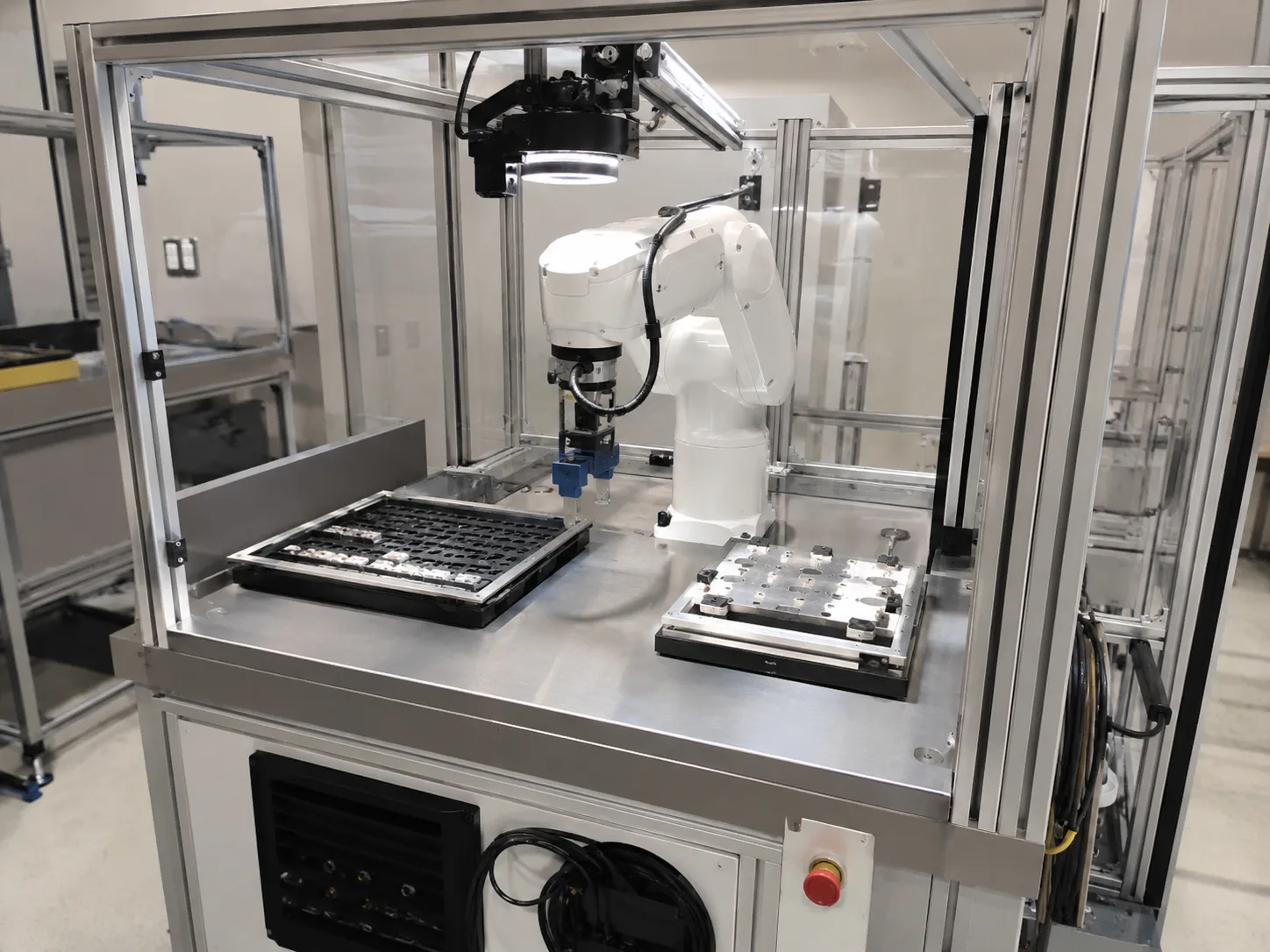
Best used when part position, height or overlap changes the robot pickup result and calibration must remain maintainable.