
Component selection and sourcing
Camera, lens, lighting, reader, 3D and feeder options are organized by inspection need. Each listed source model and specification is identified where available; the supply role is confirmed for the individual RFQ.
Engineering and workshop profile
Deyi Vision presents component routes through their optical requirements, application test constraints, integration interfaces and order-specific verification needs.

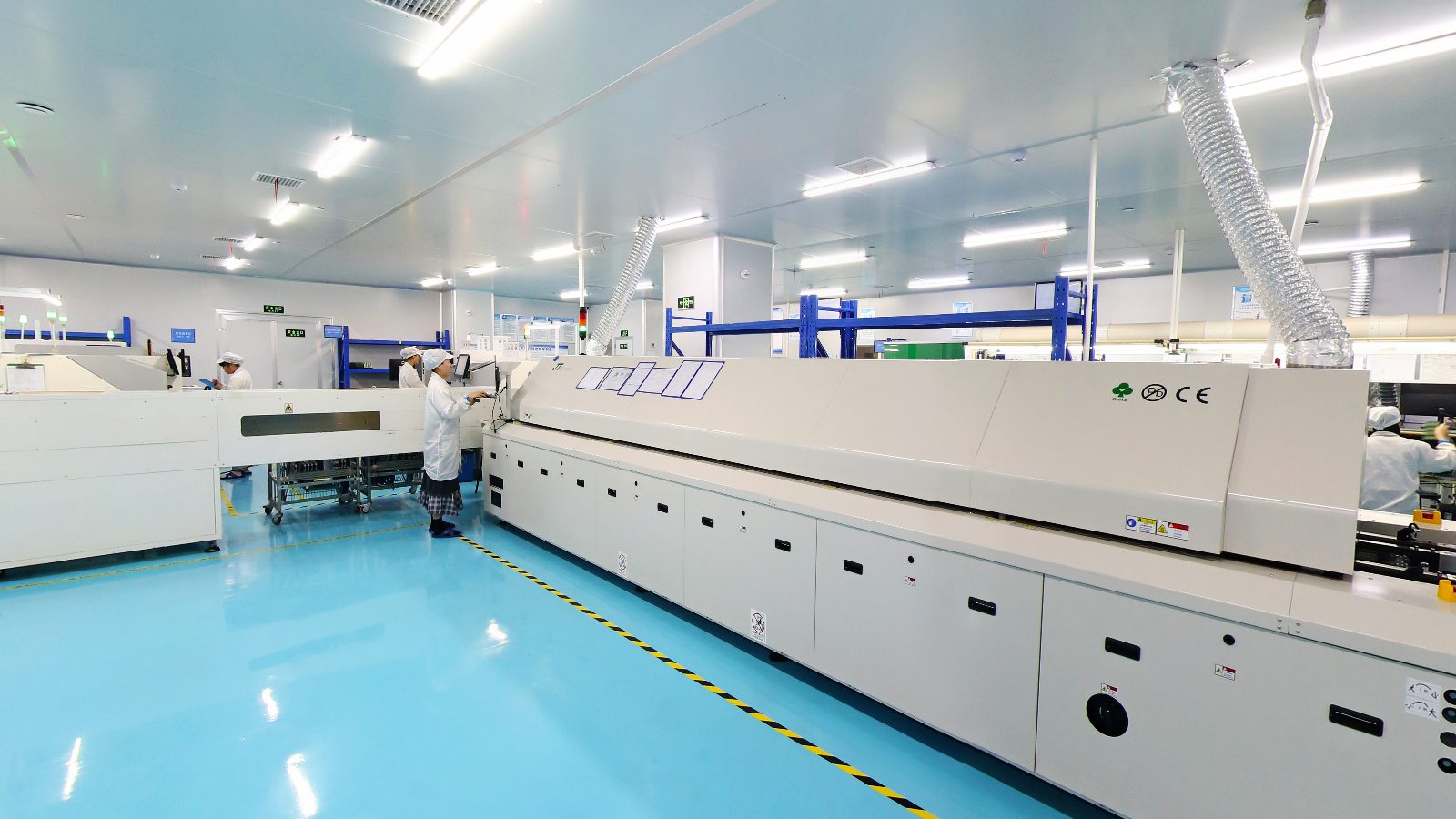
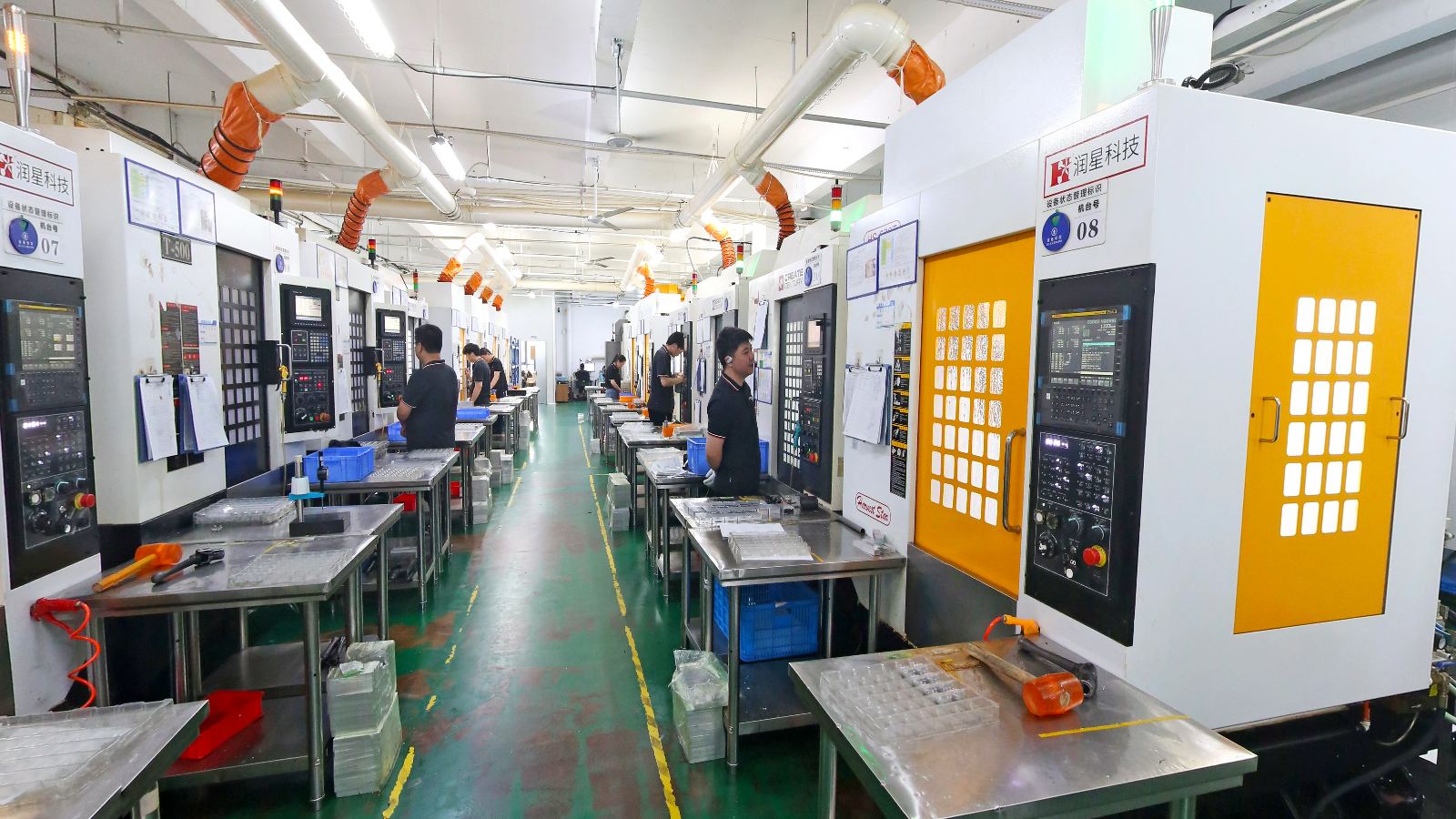
Explore workshop layouts and equipment in these panoramas and clips. Confirm the manufacturing and supply scope for your quoted model separately; workshop imagery does not establish that every listed product family is made here.
Engineering support scope
Camera, lens, lighting, reader, 3D and feeder options are organized by inspection need. Each listed source model and specification is identified where available; the supply role is confirmed for the individual RFQ.
Engineering review starts from real parts, defect samples, working distance, field of view, line speed, accuracy target and mounting limits.
Selections include interface, trigger, I/O, lighting, fixture and reject-output considerations so integrators can build inspection cells faster.
When a project references Keyence, Cognex, Basler, OPT, LMI or DataMan, Deyi Vision maps the requirement to a neutral component selection route.
Application selection examples
These in-house examples are teaching material, not records of completed projects. Verify company identity, test results and delivery documentation against your actual order.
These routes show how a selection decision is reached and what is checked before acceptance. Numeric values and planning windows are example targets, not achieved results or promised lead times. These are not audited performance figures, not a customer reference list, and not a claim that any particular buyer ran this route.
Each in-house example links a problem to component choices and proposed acceptance checks; it is not a customer project.
Factory identity, sample proof, measurable acceptance and delivery documentation are separated.
Cameras, lenses, lights, readers, 3D vision, measuring systems and flexible feeding routes are cross-linked.
Complete RFQs can be converted into a first engineering route before formal quotation.
Quality process
Confirm part photo, field of view, working distance, line speed, defect type, tolerance, environment and interface needs.
Match camera, lens and lighting as a system so the inspection target has stable contrast before part numbers are locked.
Use sample images, test notes or application references to reduce mismatch risk before quoting production quantities.
Prepare model recommendation, key constraints and integration notes for the customer engineering or integrator team.
Trust checklist
The site publishes legal company name, phone, email, office address and factory address so buyers can verify the supplier entity before RFQ.
Engineering review starts from sample photos, defect target, field of view and line constraints before recommending a camera, light, lens or reader route.
Every delivery route should state the measurable checks that make the quote safe: repeatability, read rate, false-pass risk, timing or calibration stability.
Example sample-review and acceptance document structures explain what evidence should be gathered for a real project. No customer delivery records are claimed.
Component scope
AI-generated or enhanced selection illustration. It does not show a customer installation, an exact supplied model or verified interchangeability.
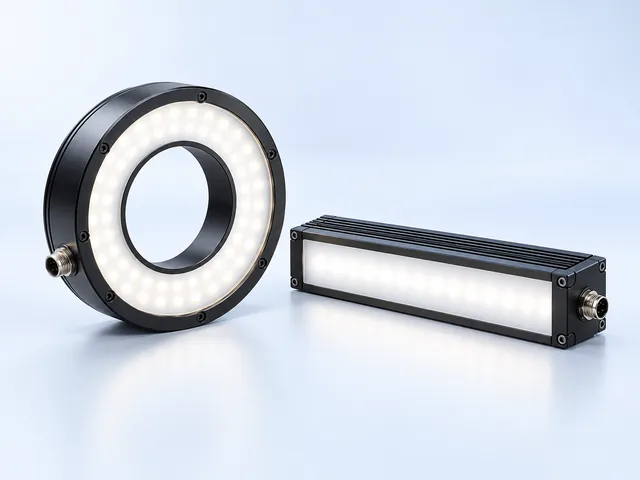
Ring, bar, coaxial, dome, backlight, dark-field and line-light routes matched to defect contrast, edge clarity and part surface behavior.
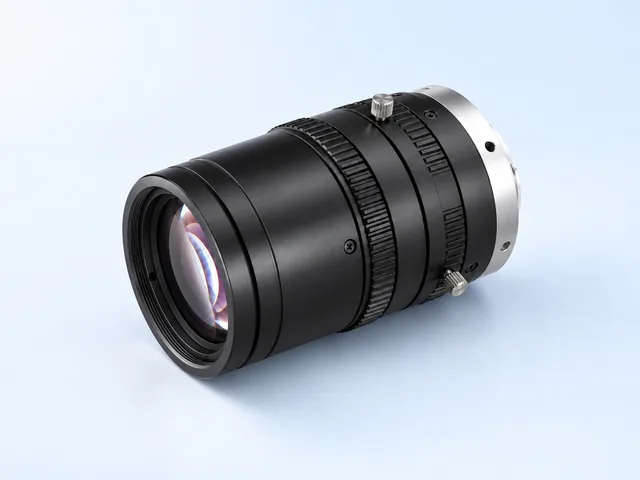
FA lenses, C-mount lenses, line-scan lenses, large-format lenses, low-distortion lenses, telecentric lenses and custom optics for inspection cells.
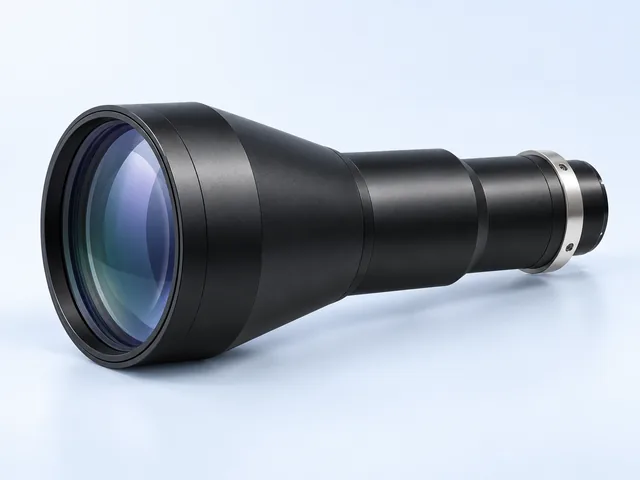
Telecentric optical routes for precision measurement, low-distortion edge capture and repeatable gauge-style inspection.
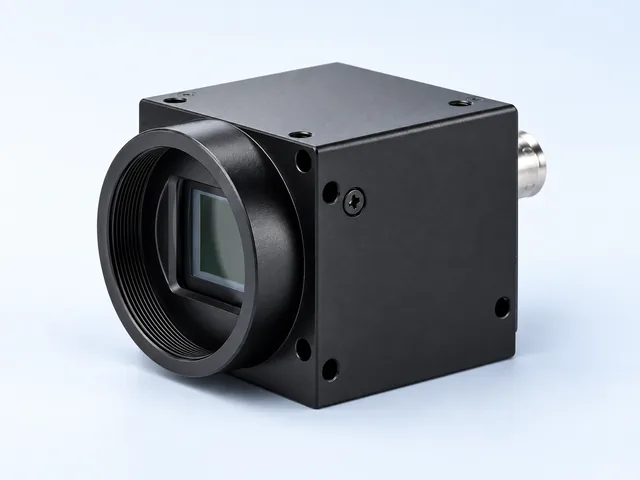
Area-scan, USB3, GigE, global-shutter, high-speed, high-resolution and special-spectrum industrial cameras for machine vision.

Camera, lens, lighting, barcode, 3D, controller and inspection software routes planned as one machine vision system for production RFQs.
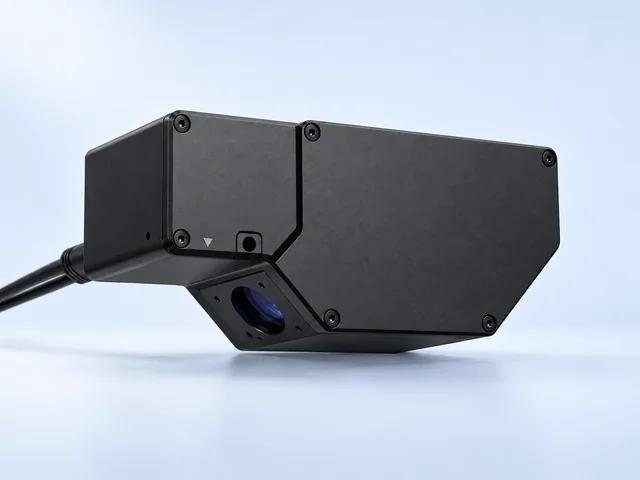
Line scan camera routes for web inspection, roll-to-roll materials, high-speed conveyors and continuous production lines where area-scan coverage becomes inefficient.
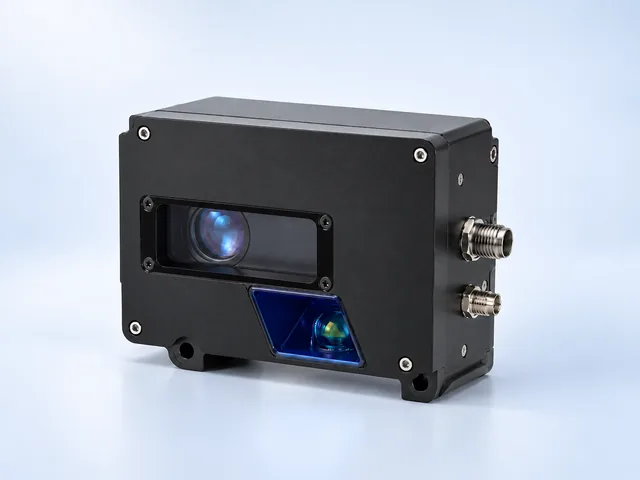
Structured-light 3D sensors and line-laser profile measurement routes for height, profile and surface geometry checks.
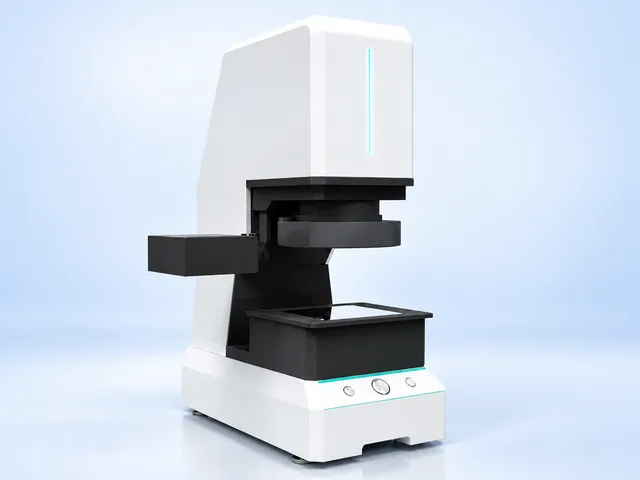
Flash measurement and image-dimension measurement systems for fast dimensional inspection and metrology checks.
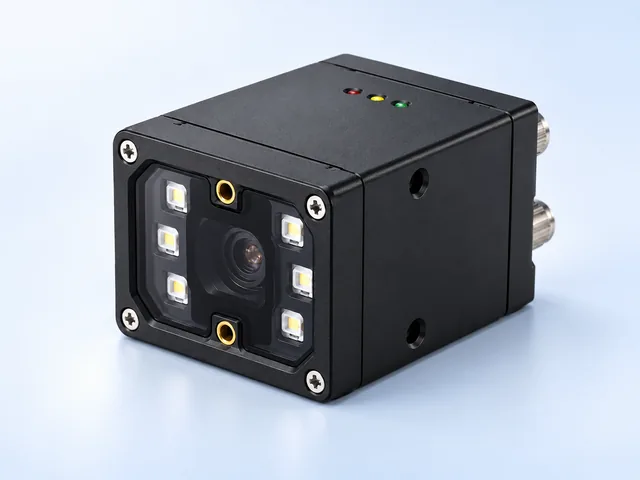
Integrated imaging, onboard processing and I/O for compact inspection cells, retrofit projects and line-side decisions.
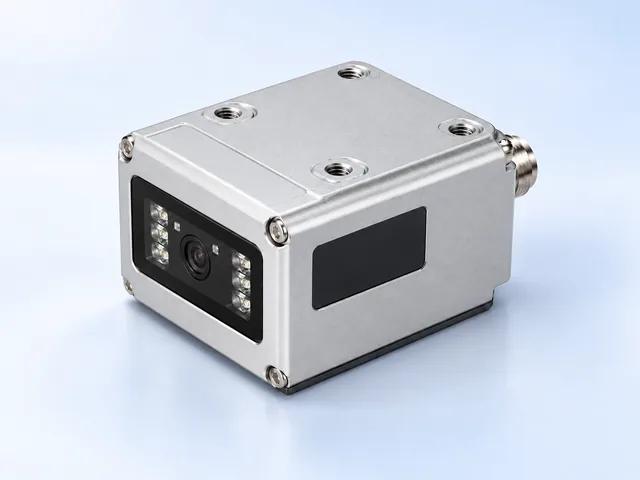
Fixed mount barcode reader, DPM reader, conveyor code reader and traceability routes for logistics, packaging and manufacturing lines.
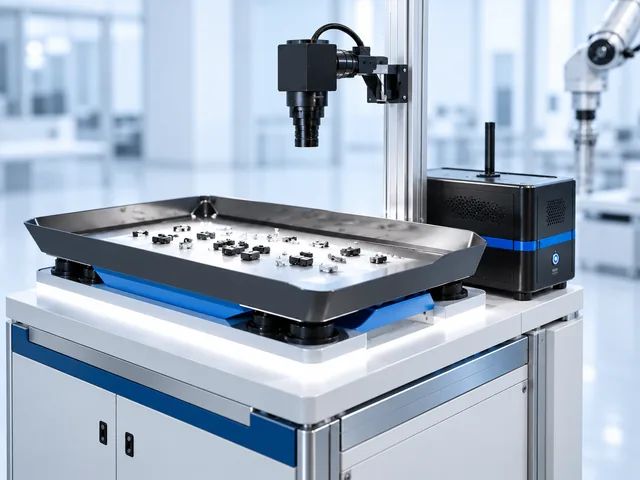
DEYI F, FL and FS flexible vibratory feeders plus DTA parallel feeding workstations for 0.1-100mm loose-part singulation, visual positioning and robot loading.
Factory FAQ
No. Deyi Vision presents component and integration routes for engineering selection. Manufacturing, OEM/ODM, supply and integration roles should be confirmed for the quoted model using its supplier, source-model and datasheet information; the range is not evidence that one factory manufactures every component.
Send sample images, part drawings, defect or measurement target, field of view, working distance, line speed, tolerance, interface needs and any current reference model.
The review checks camera, lens, lighting, 3D or barcode reader requirements as a system. The goal is to confirm image contrast, optical constraints and integration needs before model numbers are finalized.
No. They are in-house application selection examples with proposed test and RFQ requirements. For a real order, agree the required sample images, optical test notes, acceptance results and delivery documentation for that project.
Yes. Integrators can send station constraints, PLC or I/O requirements, mounting space, trigger logic and reject-output needs so the recommendation is easier to integrate.
Factory RFQ
The fastest factory review includes sample images, inspection goal, tolerance, field of view, working distance, line speed and integration limits.
Request engineering RFQ