
8
Each route links the inspection problem to hardware stack, acceptance checks and RFQ evidence.
Trust center
Buyers can verify the company entity, review application evidence, define measurable acceptance checks and request NDA-safe delivery documents before locking a machine vision route.
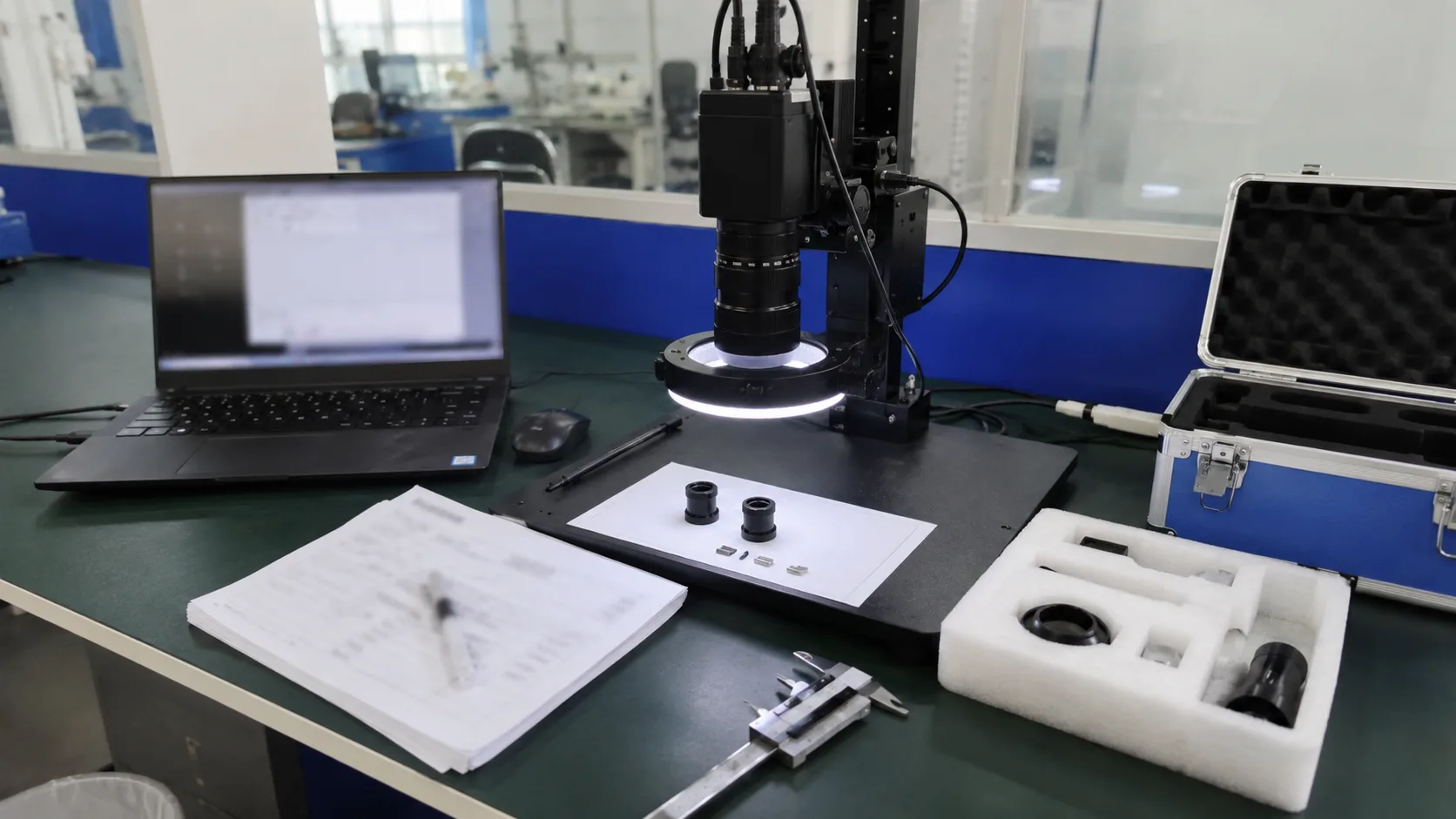
Each route links the inspection problem to hardware stack, acceptance checks and RFQ evidence.
Factory identity, sample proof, measurable acceptance and delivery documentation are separated.
Cameras, lenses, lights, readers, 3D vision, measuring systems and flexible feeding routes are cross-linked.
Complete RFQs can be converted into a first engineering route before formal quotation.
Acceptance matrix
A high-trust quote should say what was checked, what remains open and which evidence supports the recommendation. These gates help buyers separate engineering proof from a catalog-only quote.
Sample-image notes, route comparison photo, open constraints and rejected alternatives.
Acceptance matrix with target feature, tolerance, sample count and expected pass/fail decision.
Worst-case sample photos, risk boundary notes and the condition that still needs onsite validation.
I/O notes, controller route, cable/accessory list and integration handoff summary.
Download examples
These are example structures, not customer records. Project evidence is shared only after scope, privacy and NDA limits are clear.
Example note structure for good, NG and borderline samples before model selection.
Download Markdown Example fileExample gates for repeatability, read rate, false-pass risk, timing and open validation.
Download Markdown Example fileExample structured RFQ handoff with FOV, speed, working distance, output and missing data.
Download Markdown Example fileExample route logic showing why camera, optics and light should be reviewed together.
Download Markdown Example fileExample delivery check for hardware, accessories, labels, photos and handoff notes.
Download MarkdownVerification layers
Many inspection projects are NDA-protected. Buyers can still review sample notes, route assumptions, acceptance checks and delivery documents before order confirmation.
The site publishes legal company name, phone, email, office address and factory address so buyers can verify the supplier entity before RFQ.
Engineering review starts from sample photos, defect target, field of view and line constraints before recommending a camera, light, lens or reader route.
Every delivery route should state the measurable checks that make the quote safe: repeatability, read rate, false-pass risk, timing or calibration stability.
For protected projects, buyers can request anonymized sample images, test notes, packing photos and integration notes instead of public customer names.
Evidence photos
These photos support the evidence chain: sample review, optical testing, acceptance checks, packing verification and integration handoff. Screens and papers stay unreadable for privacy.
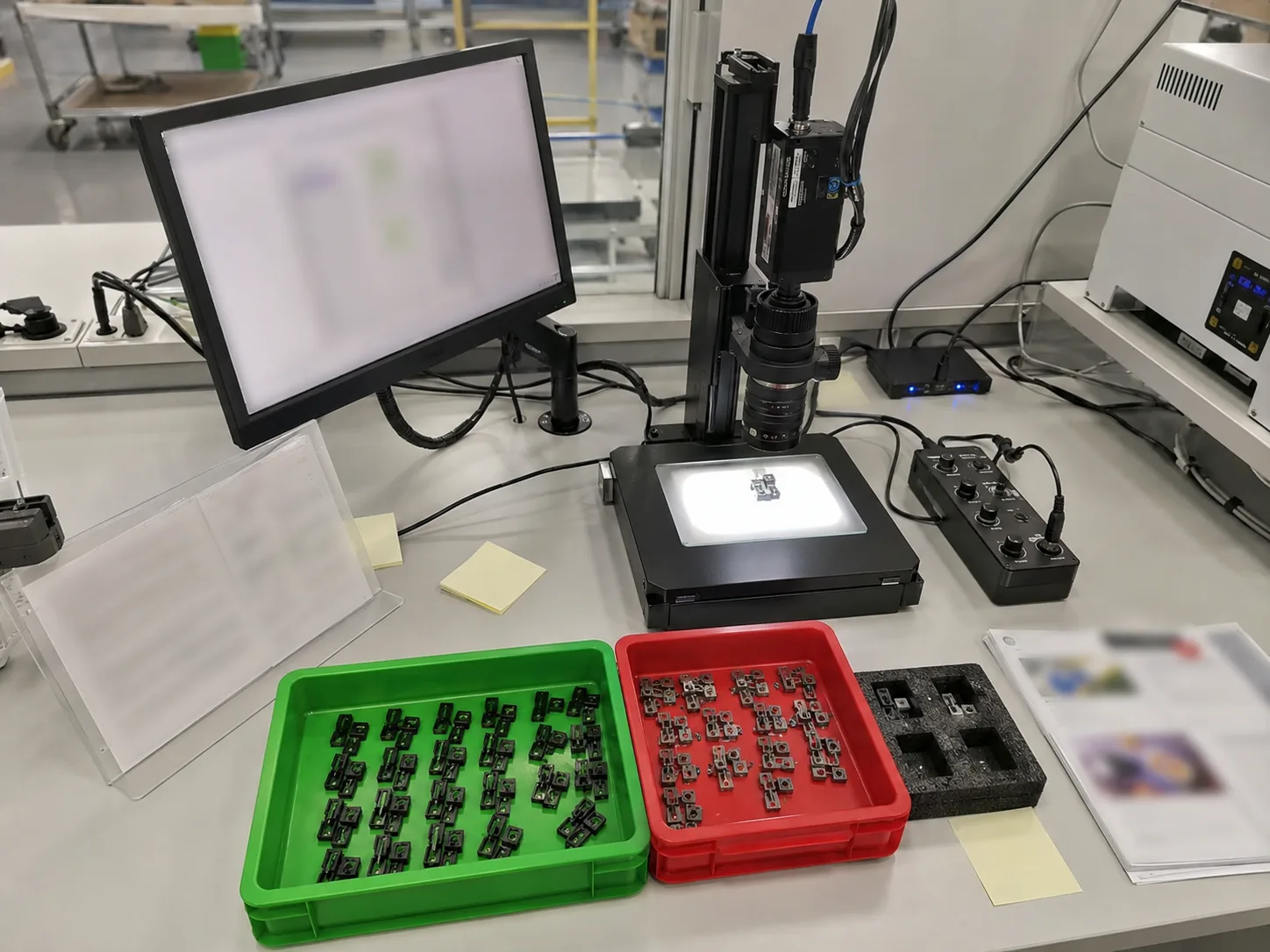
Good, bad and edge-case parts prepared before locking camera, lens and lighting routes.
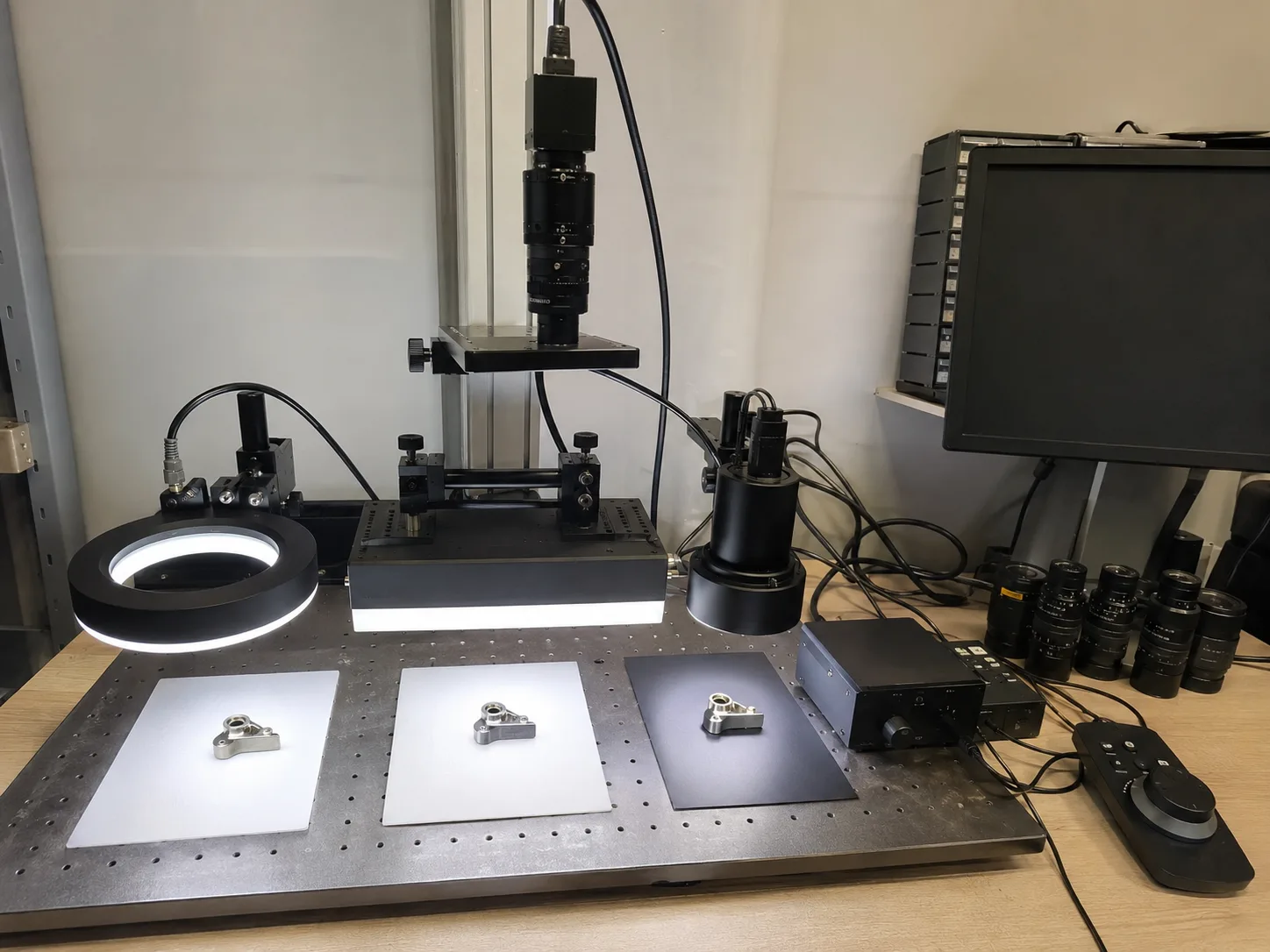
Lighting and optics compared before model recommendation to reduce mismatch risk.
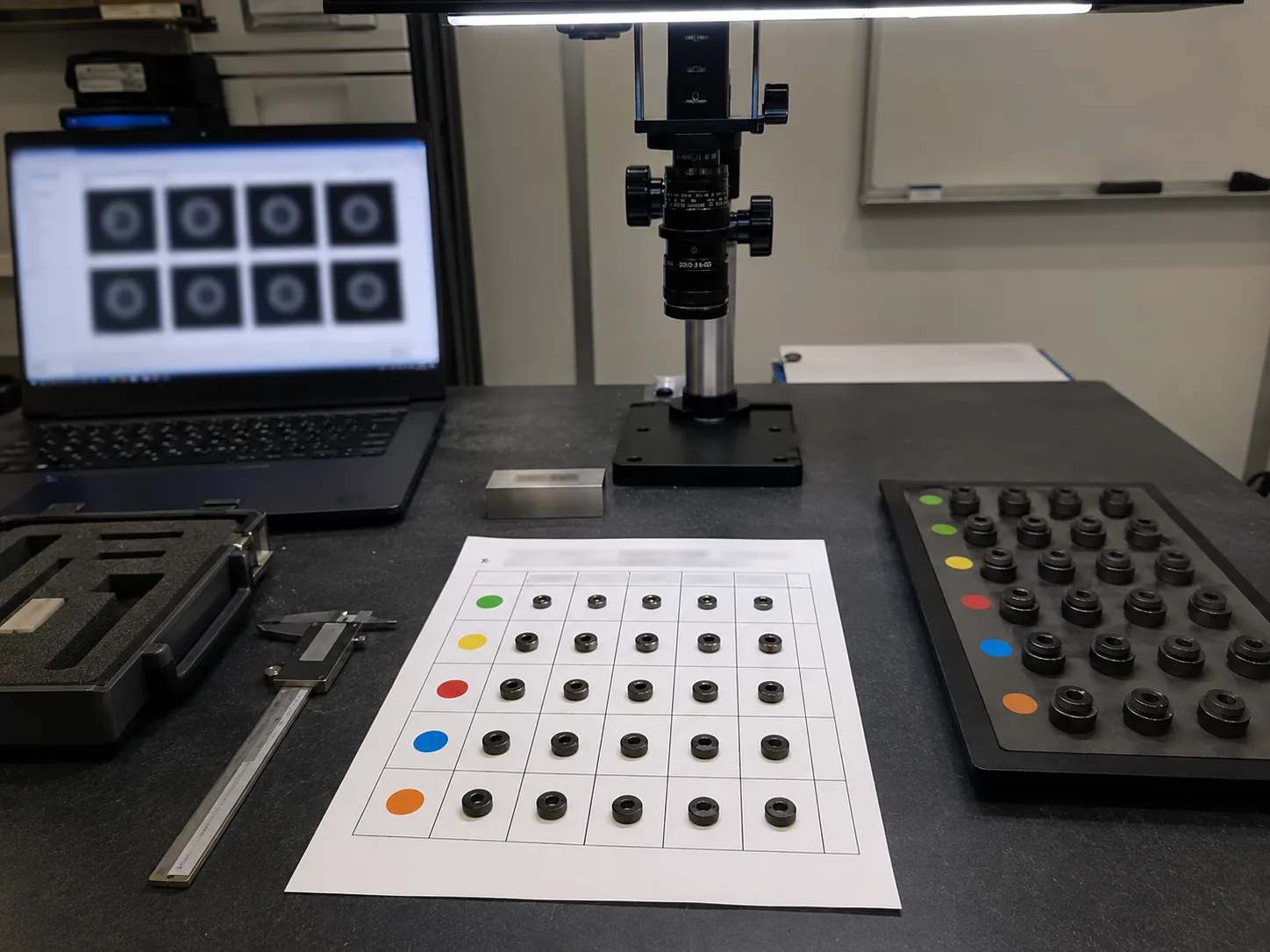
Repeatability, false-pass risk, timing and sample variation checks grouped for approval.
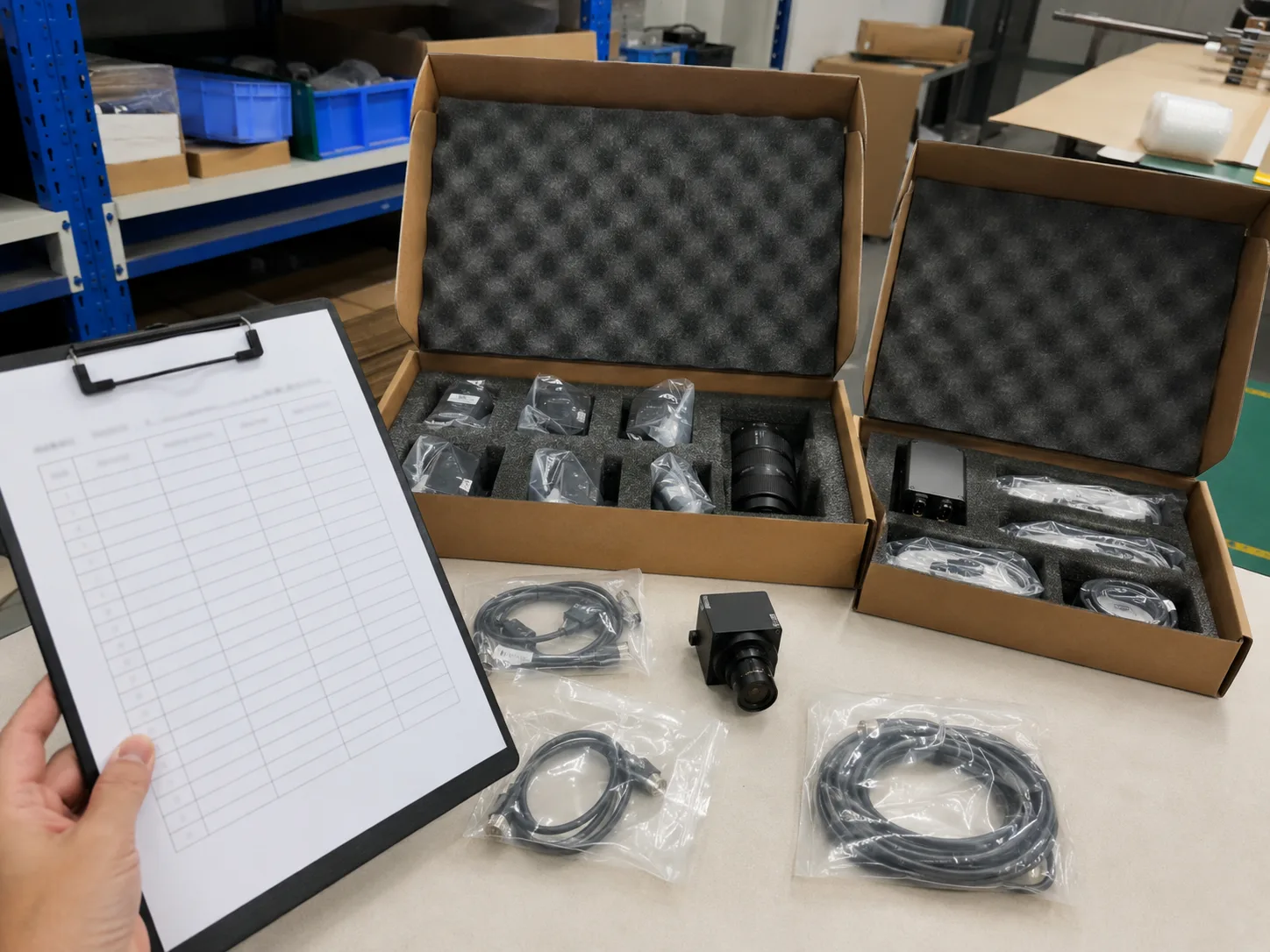
Packing, shipment and accessory checks support the final delivery evidence chain.
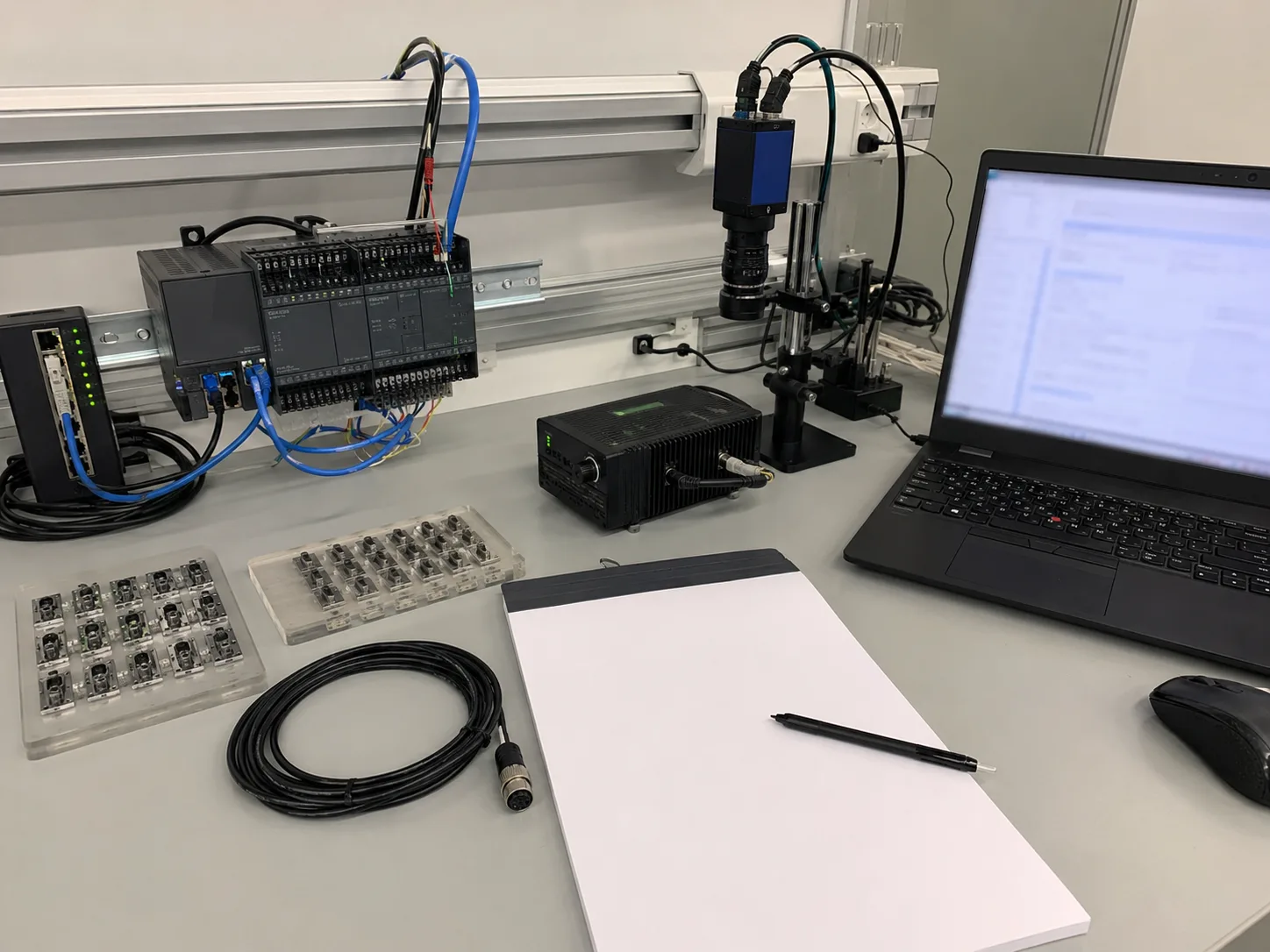
I/O, trigger, controller and integration notes prepared before handoff to the buyer team.
Delivery routes
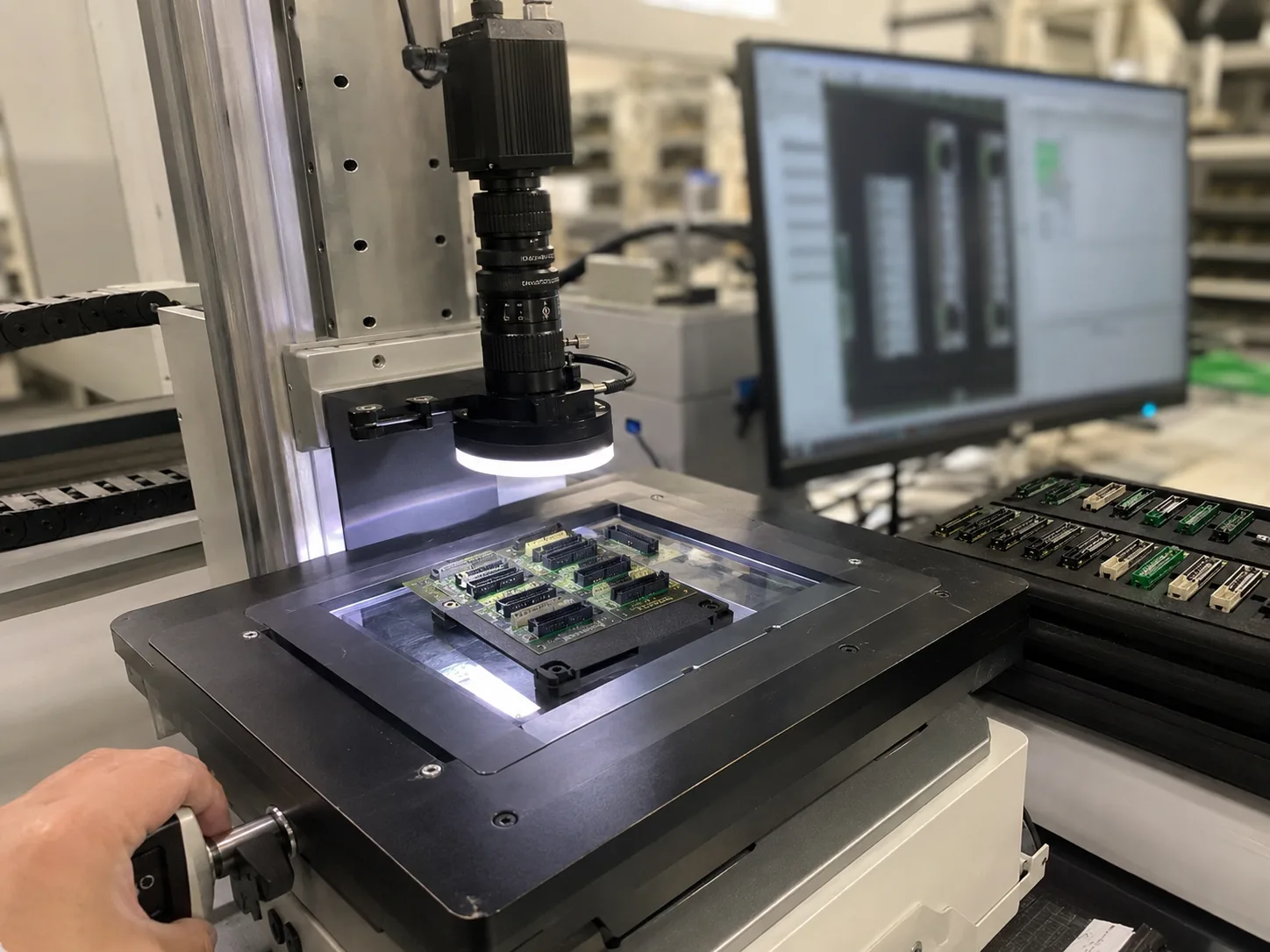
Best used when a buyer needs proof that small metal pins remain visible after fixture, height and reflection changes.
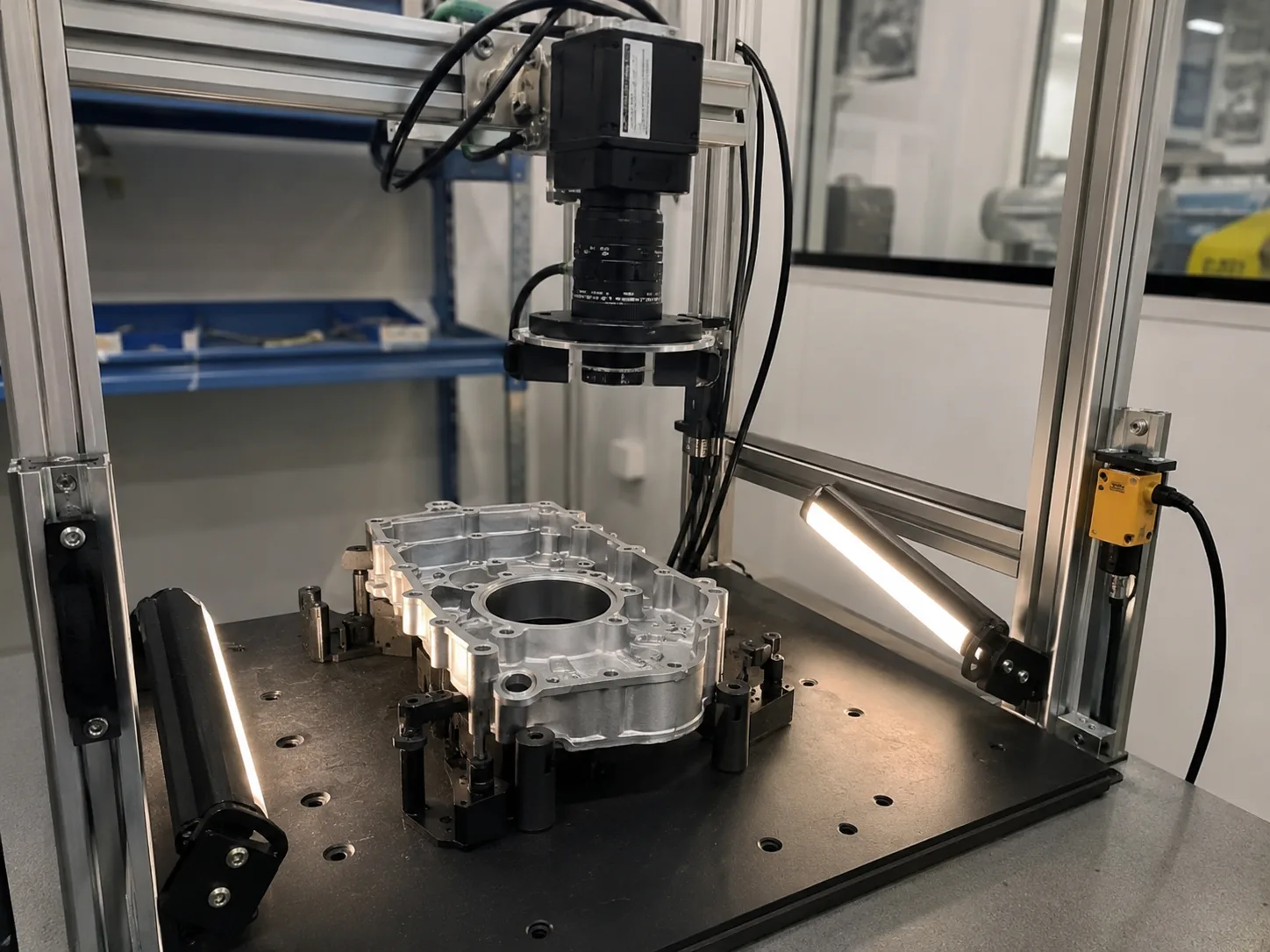
Best used when the metal finish changes from batch to batch and the lighting route must be proven before quoting.
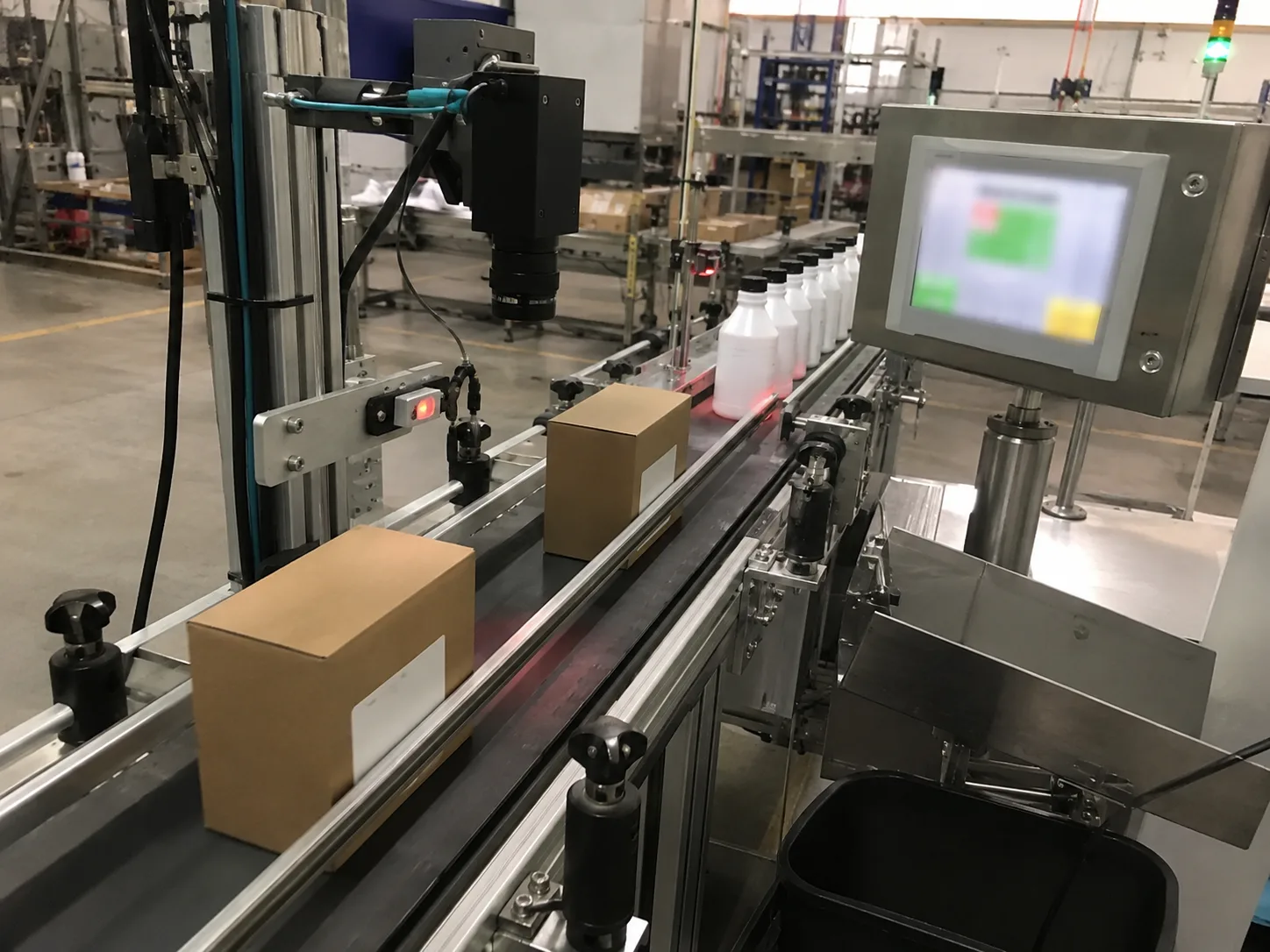
Best used when shipping errors, no-read events or wrong-label risk must be reduced without slowing the conveyor.
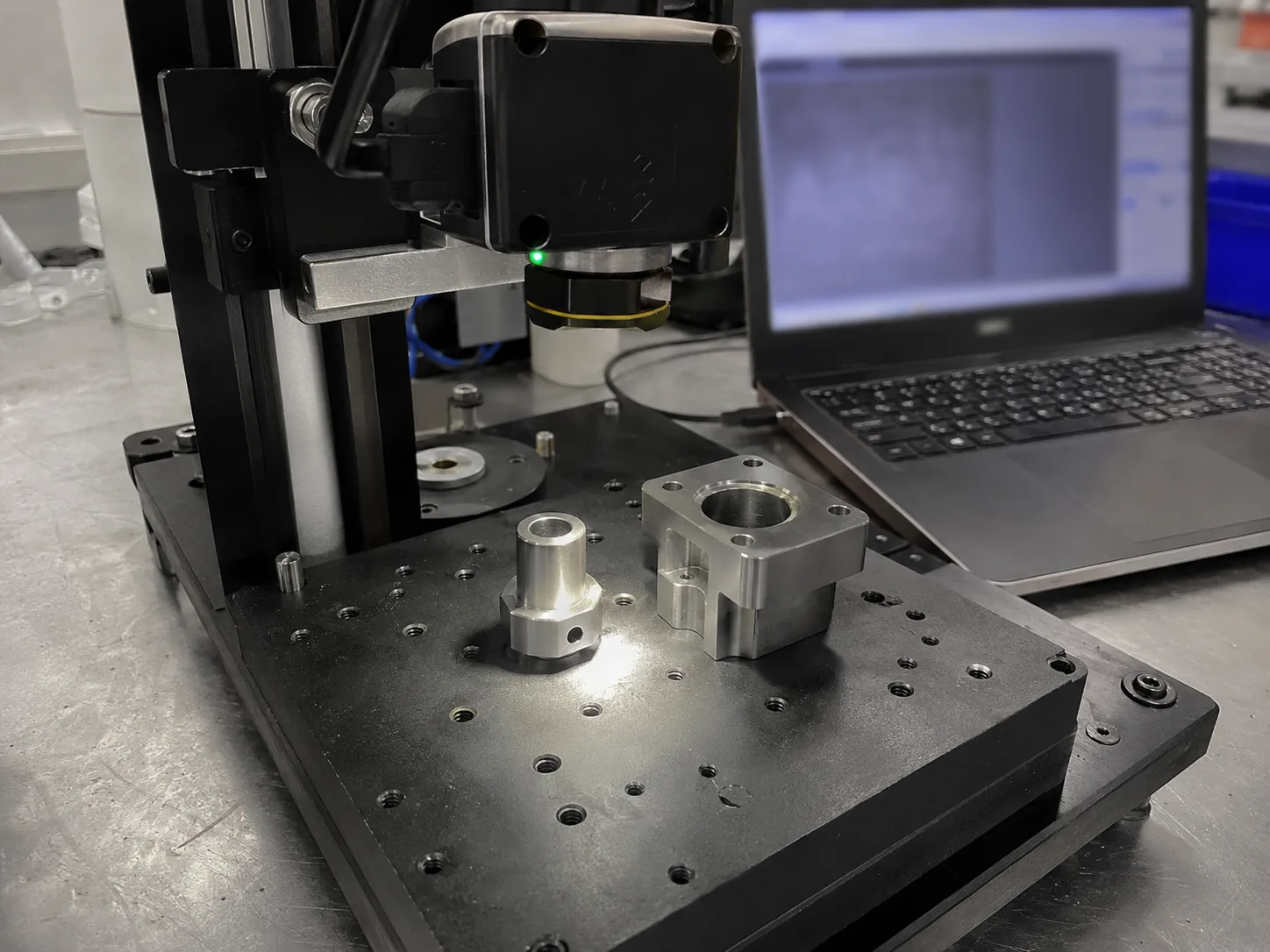
Best used when code contrast depends on mark depth, machining texture or reflective metal surface behavior.
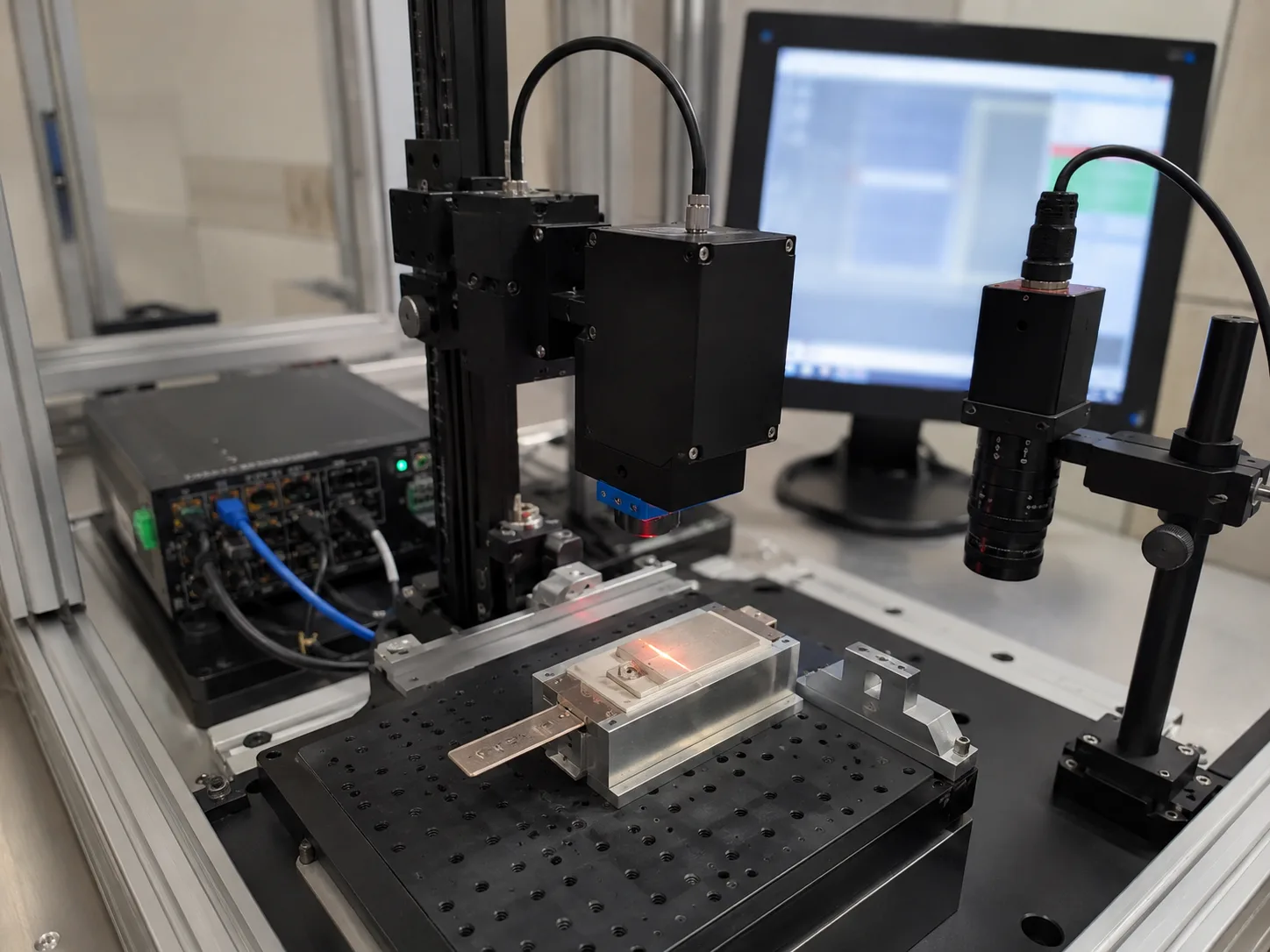
Best used when 2D contrast cannot prove weld geometry and a measurable height or profile route is required.
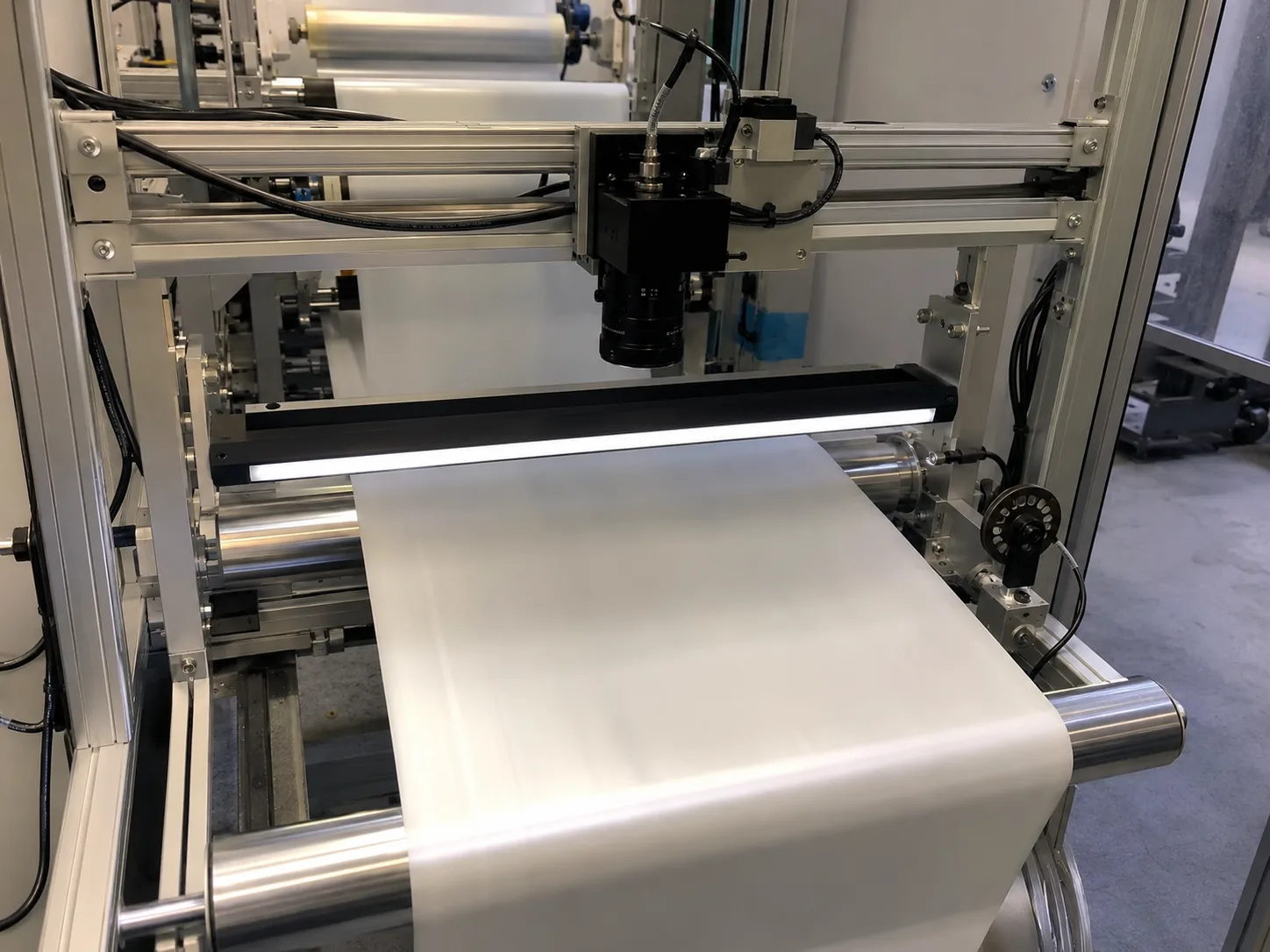
Best used when the inspection must cover moving film, paper, textile or sheet material without motion distortion.
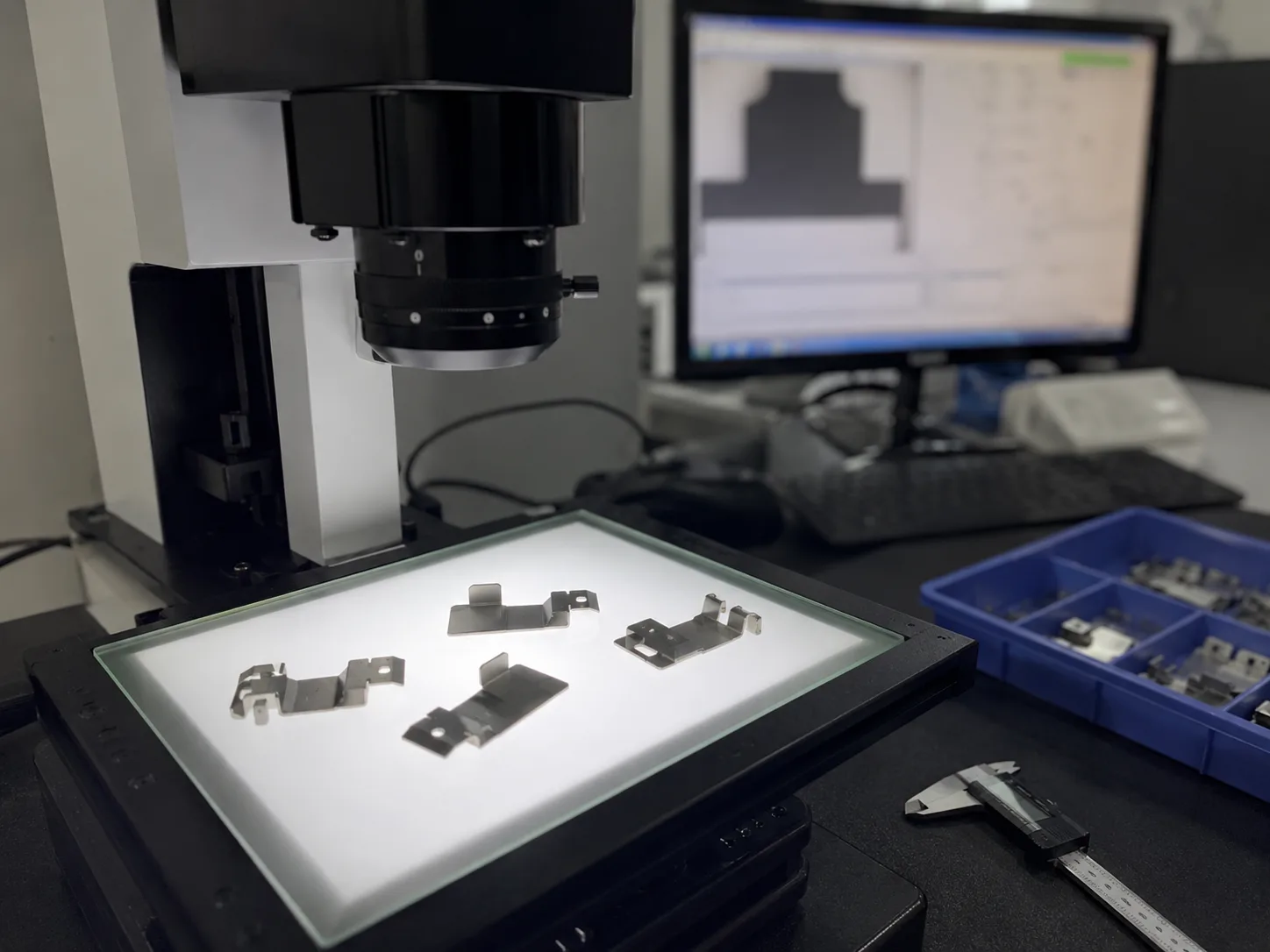
Best used when manual gauges are too slow or inconsistent for small stamped, machined or molded parts.
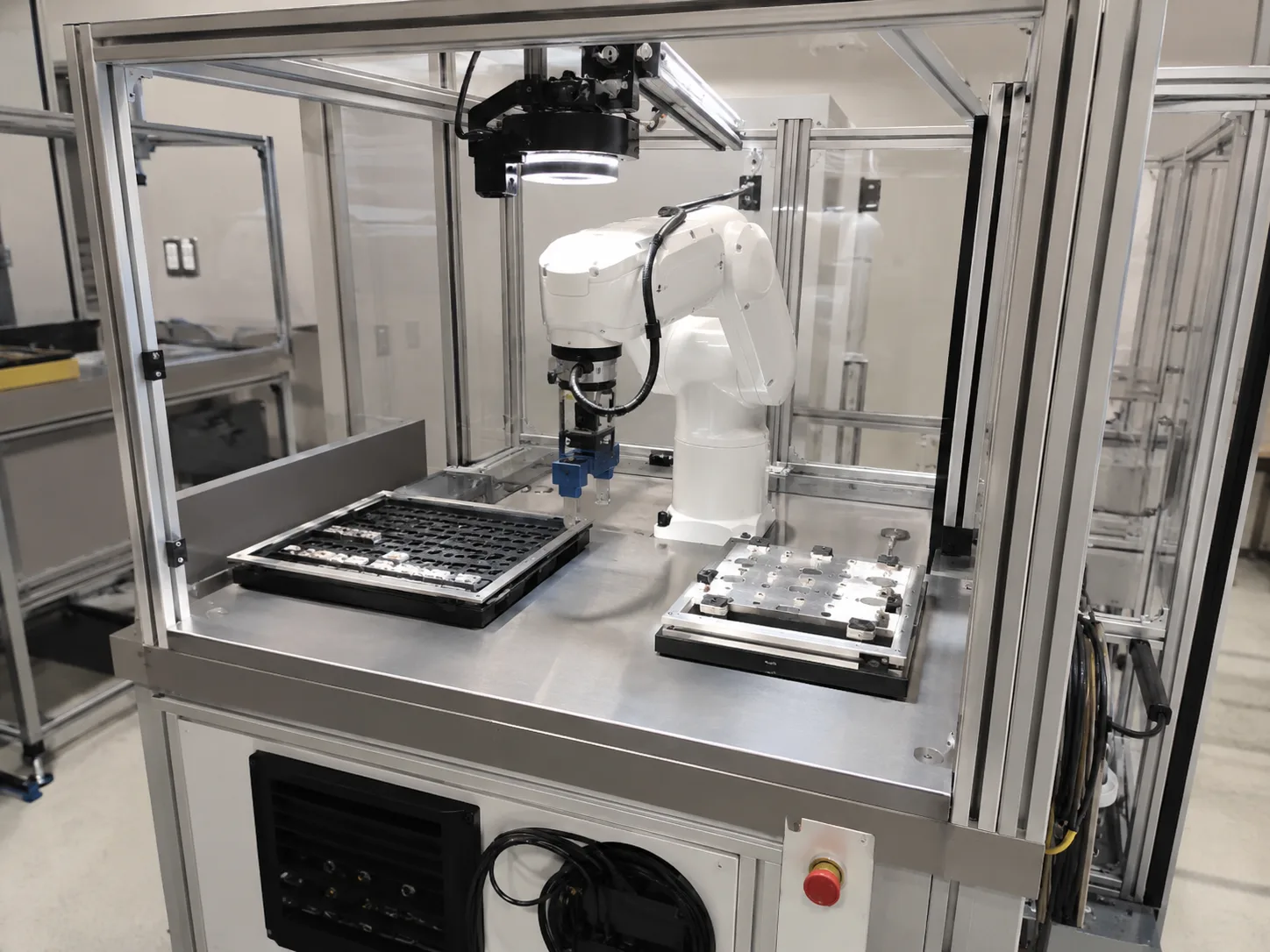
Best used when part position, height or overlap changes the robot pickup result and calibration must remain maintainable.
Evidence workflow
The site publishes legal company name, phone, email, office address and factory address so buyers can verify the supplier entity before RFQ.
Engineering review starts from sample photos, defect target, field of view and line constraints before recommending a camera, light, lens or reader route.
Every delivery route should state the measurable checks that make the quote safe: repeatability, read rate, false-pass risk, timing or calibration stability.
For protected projects, buyers can request anonymized sample images, test notes, packing photos and integration notes instead of public customer names.
Trust FAQ
No. Public pages use anonymized delivery evidence routes because many machine vision projects are protected by NDA. The pages still show project type, hardware stack, RFQ evidence and measurable acceptance checks.
Buyers can request sample image review notes, optical route comparison, model recommendation logic, packing or shipment photos, and integration handoff notes when the project and privacy scope allow it.
Application pages explain the inspection route. The trust center explains how to verify Deyi Vision, what measurable checks should be used, and which delivery documents can support a quote.
Send at least part photos or drawings, target defect or code, field of view, working distance, line speed, tolerance and the required output method. Flexible feeder RFQs should also include part size, weight and pickup behavior.
Evidence-based RFQ
The strongest RFQ includes sample images, defect criteria, line speed, tolerance, working distance, interface needs and the delivery documents you need for internal approval.
Request engineering RFQ