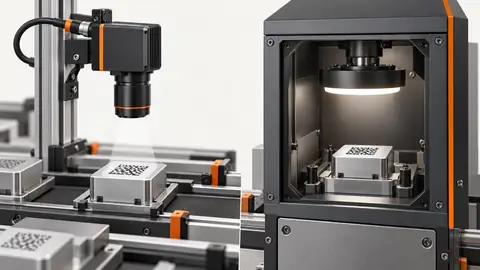
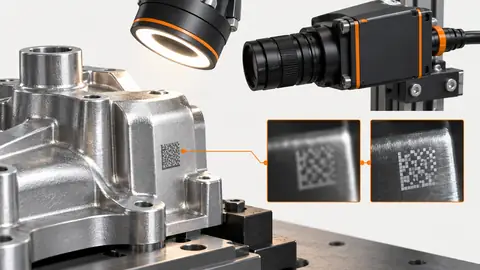
A code that one reader decodes is not automatically a verified mark. First decide whether the requirement is reliable reading at your station or a documented grade under a specified verification method.
An unreadable result alone cannot distinguish a missing code, glare, blur or an incomplete transfer. Start with a reader that can export diagnostic images, a repeatable trigger and representative poor marks. Confirm the supported logging options in its manual.
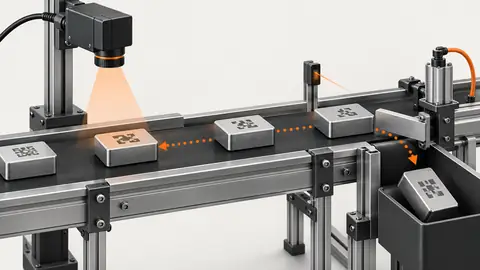
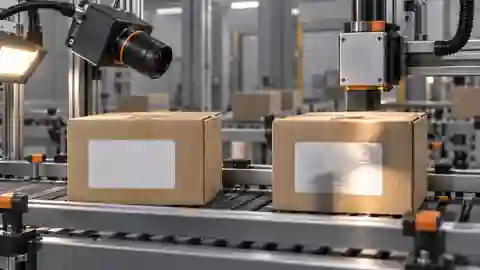
Correct decoding does not guarantee rejection of the correct part. Use an independent part identifier, a measured transport path and feedback at the reject station. Encoder support and industrial interfaces must be confirmed for the selected equipment.
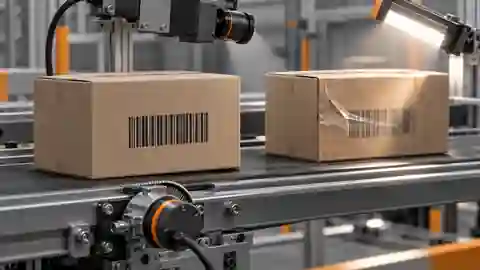
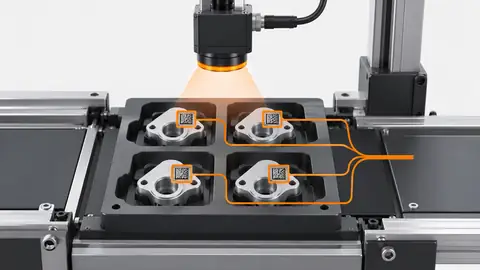
Reading every visible code can associate a neighbor’s label with the current part. Define the expected code roles and count before testing; confirm whether the reader supports regions, multiple results and the required trigger window.
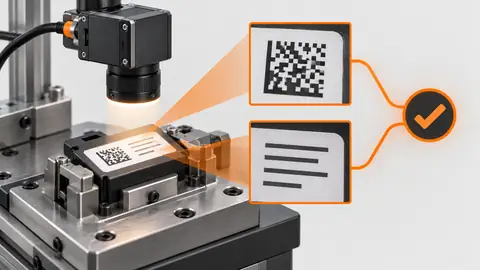
A readable code can coexist with the wrong printed date or lot. This test assumes a device or application that exposes OCR and decoded results; confirm those functions rather than assuming every code reader provides them.
Locate whether OCR failure begins in the source pixels, detection geometry, recognizer output or validation rule before altering the known expected answer.
No tutorial titles match this search.
Engineering review
Bring the inspection problem and the evidence.
Send sample images, your current setup and the check that failed. Include field of view, working distance, line speed and acceptance criteria for a practical review.