Selection Guides

Machine Vision Supplier Selection Guide

Choose a machine vision supplier by application engineering, sample testing, component route coverage, export support and integration documentation.

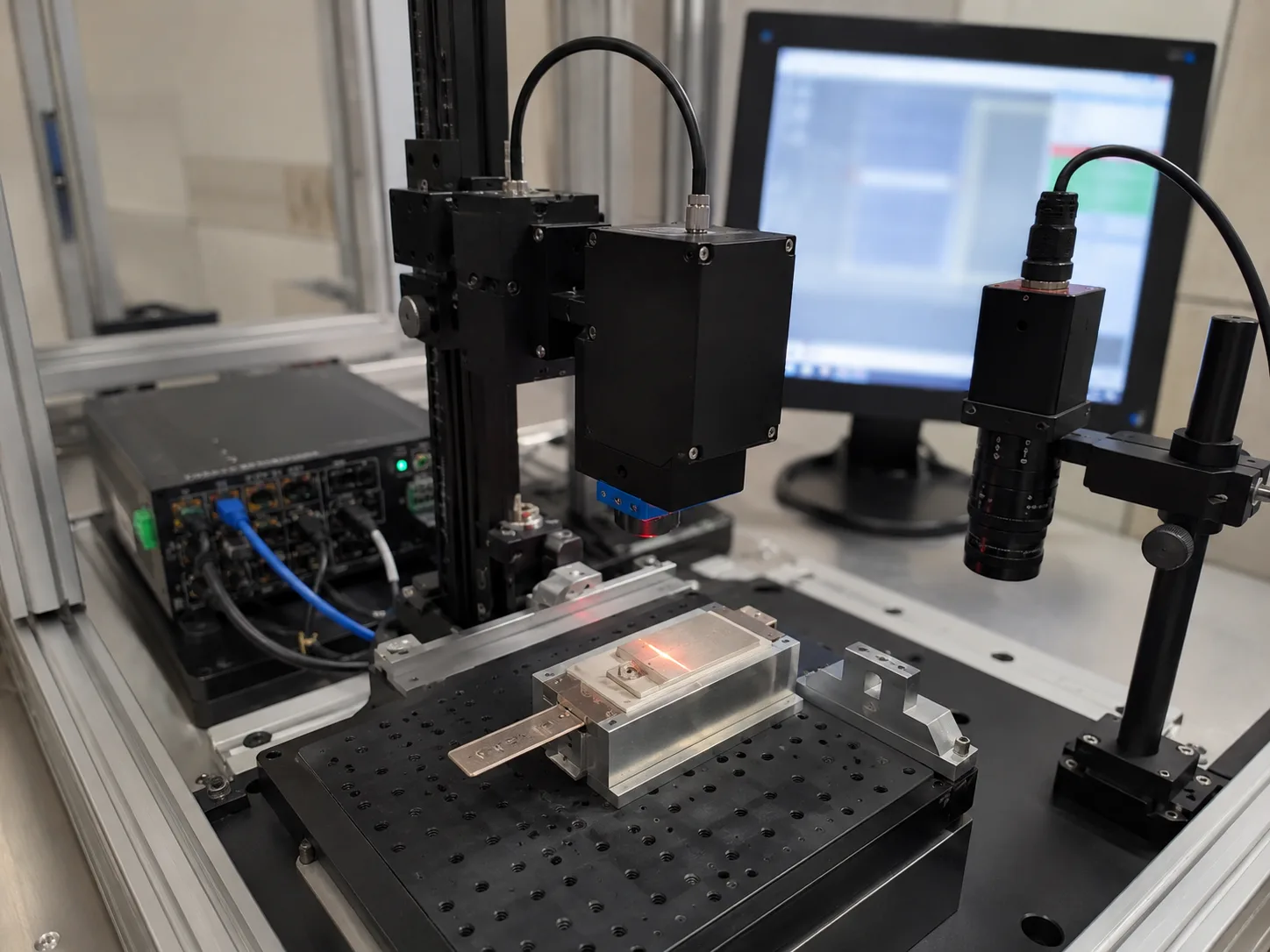
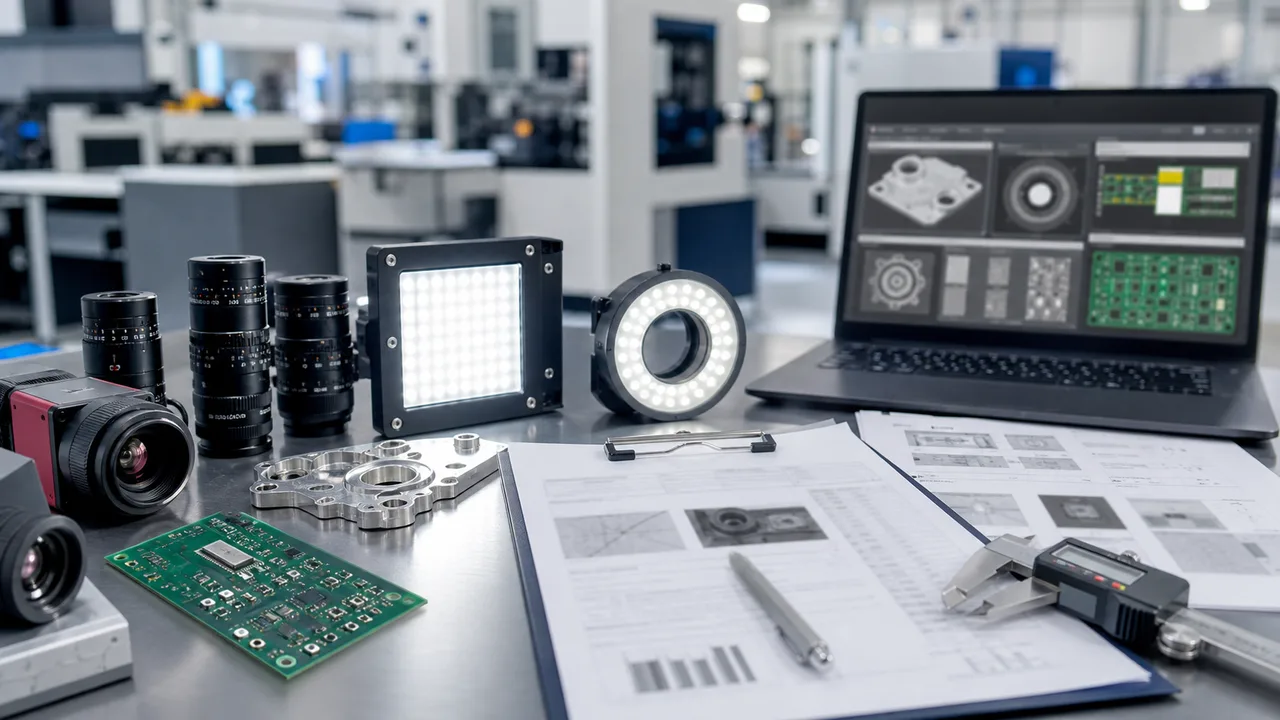
Machine vision engineering bench for supplier selection guide

Direct answer

Machine Vision Supplier Selection Guide

A machine vision supplier is a fit when it can turn sample evidence into a complete route: camera, lens, lighting, reader, 3D, controller, I/O and acceptance test. Do not judge by price or brand list alone.

Quick answer

What is the short answer for machine vision supplier selection guide?

A machine vision supplier is a fit when it can turn sample evidence into a complete route: camera, lens, lighting, reader, 3D, controller, I/O and acceptance test. Do not judge by price or brand list alone.

Quick answer

What should be confirmed before RFQ?

The supplier should map cameras, lenses, lighting, readers and 3D routes together.

Quick answer

What evidence should Deyi Vision review?

Acceptance criteria and sample evidence should be clear before purchase.

Key takeaways

What this page should help engineering teams decide.

  • Supplier choice should start from engineering proof, not only price.
  • The supplier should map cameras, lenses, lighting, readers and 3D routes together.
  • Acceptance criteria and sample evidence should be clear before purchase.
Key point

Look for route planning, not only component selling.

Many machine vision failures happen because the buyer selects a camera while the real constraint is lighting, lens distortion, fixture movement or trigger timing. A stronger supplier explains the full route and the assumptions behind it.

Key point

Sample evidence separates real suppliers from catalog resellers.

Ask whether the supplier can review good parts, bad parts, current images and line videos before recommending hardware. If they cannot describe what sample evidence changes the quote, the project risk remains with the buyer.

Key point

Export and integration documentation matter for overseas buyers.

For international teams, the handoff should include model assumptions, wiring or interface notes, packing/shipment details and acceptance checks. This reduces delays between purchasing and commissioning.

Selection framework

Use this guide as a pre-RFQ decision filter, not as a part-number shortcut.

Machine vision selection is usually stable when the project starts from the inspection condition instead of a catalog model. Before requesting a quote, define what must be detected or measured, how the part moves, what surface behavior affects contrast and which factory constraint cannot change.

For machine vision supplier selection guide, the engineering team should translate the requirement into testable inputs: sample images, target tolerance, line speed, field of view, working distance, mounting envelope and the current failure mode. That gives the factory enough evidence to map the request to camera, lighting, optics, reader or 3D routes.
Decision matrix

Three checks before locking the route.

01

Engineering depth

Can explain why the selected route fits the defect, speed and tolerance.

02

Component coverage

Can coordinate camera, lens, light, reader, 3D and controller routes.

03

Testing evidence

Can request and interpret good/bad sample images.

Comparison table

Use these data points to turn the concept into an RFQ-ready decision.

Factor Practical rule RFQ impact
Engineering depth Can explain why the selected route fits the defect, speed and tolerance. Higher chance of first-pass fit.
Component coverage Can coordinate camera, lens, light, reader, 3D and controller routes. Avoids gaps between separately purchased parts.
Testing evidence Can request and interpret good/bad sample images. Makes acceptance criteria measurable.
Documentation Can provide RFQ assumptions and integration notes. Helps buyer engineering and procurement align.

Common mistakes

Problems that slow down selection.

  • Selecting by model number before the inspection target is measurable.
  • Treating lighting as an accessory instead of the main contrast-control tool.
  • Ignoring fixture stability, part variation and operator maintenance workflow.

Factory handoff

What Deyi Vision reviews after receiving the project details.

The factory route review starts by checking whether the image can be made stable with lighting and fixture control. Then the camera, lens, reader or 3D sensor route is sized against speed, resolution, interface and installation constraints.

If you already have a Keyence, Cognex, Basler, OPT, LMI, Hikrobot or barcode-reader reference, include it as a benchmark. Deyi Vision uses the reference to understand the application class; final selection still depends on real samples and production limits.

Guide to RFQ

Have a real part, sample image or production constraint?

Use the guide to frame the question, then send the details so engineering can recommend a route.

Request engineering RFQ

Guide FAQ

Questions related to machine vision supplier selection guide.

Ask engineering
How do I choose a machine vision supplier?

Choose the supplier that can explain the inspection route from sample evidence, not the supplier that only sends the longest catalog or lowest camera price.

What makes a machine vision supplier risky?

Risk increases when the supplier quotes a model before confirming FOV, defect target, working distance, lighting, speed, interface and acceptance criteria.

What should a supplier provide before order confirmation?

They should provide route assumptions, required sample evidence, model selection logic, integration constraints and acceptance checks.

Catch Defects First