Comparisons

2D vs 3D Machine Vision

Compare 2D and 3D inspection methods for defects, dimension, height, volume and surface geometry tasks.

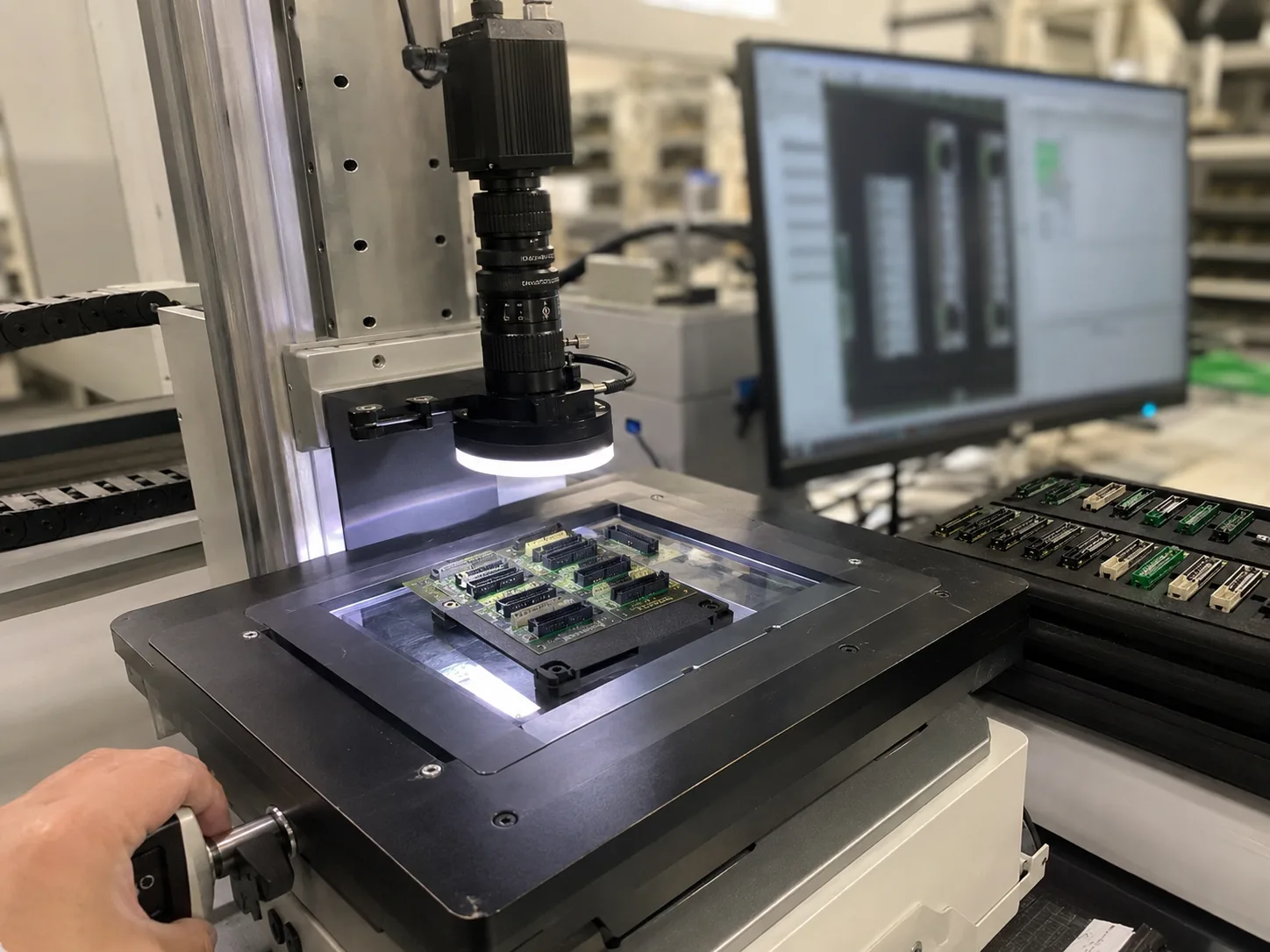
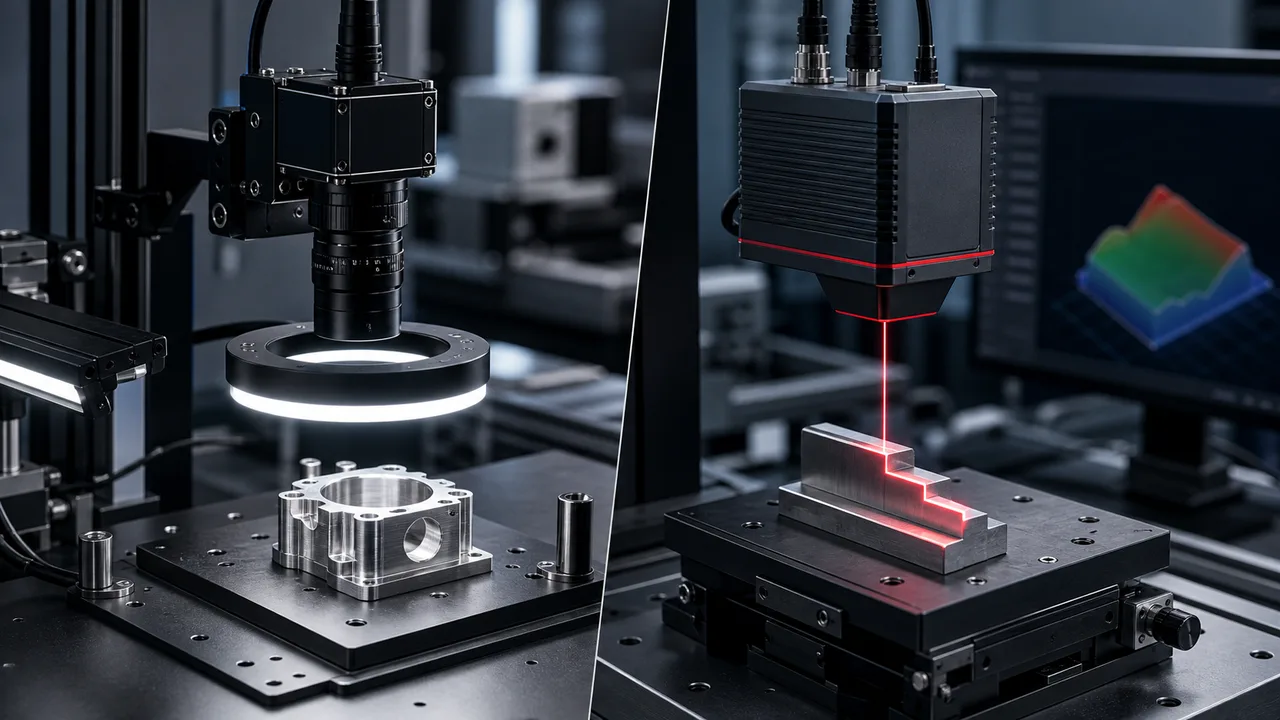
Engineering bench comparing 2D machine vision inspection and 3D profile measurement

Direct answer

2D vs 3D Machine Vision

2D vision is best when contrast, edge, print, code or position is enough to make the decision. 3D vision is worth the added cost when height, profile, gap, volume, weld shape or surface geometry decides pass or fail.

Where this matters

Start with the inspection condition.

2D vision is best when contrast, edge, print, code or position is enough to make the decision. 3D vision is worth the added cost when height, profile, gap, volume, weld shape or surface geometry decides pass or fail.

Why projects fail

Confirm the limits that change hardware.

3D is useful for height and shape problems.

RFQ preparation

Send enough context for a real review.

Many projects combine 2D location with 3D measurement.

What engineering should check

What this page should help teams decide.

  • 2D is faster and simpler when contrast is enough.
  • 3D is useful for height and shape problems.
  • Many projects combine 2D location with 3D measurement.
Practical note

Use 2D vision when image contrast proves the result.

A 2D vision system captures a flat image and uses contrast, edges, texture, printed information or position to make a decision. It is usually simpler, faster and less expensive for label checks, presence, orientation, barcode, OCR and many surface defects.

Practical note

Use 3D vision when height or profile is the evidence.

A 3D vision system adds depth, height or profile information. It becomes important when scratches, welds, gaps, volume, flatness, robot Z-position or part geometry cannot be separated reliably by color or contrast.

Practical note

Many systems combine 2D and 3D routes.

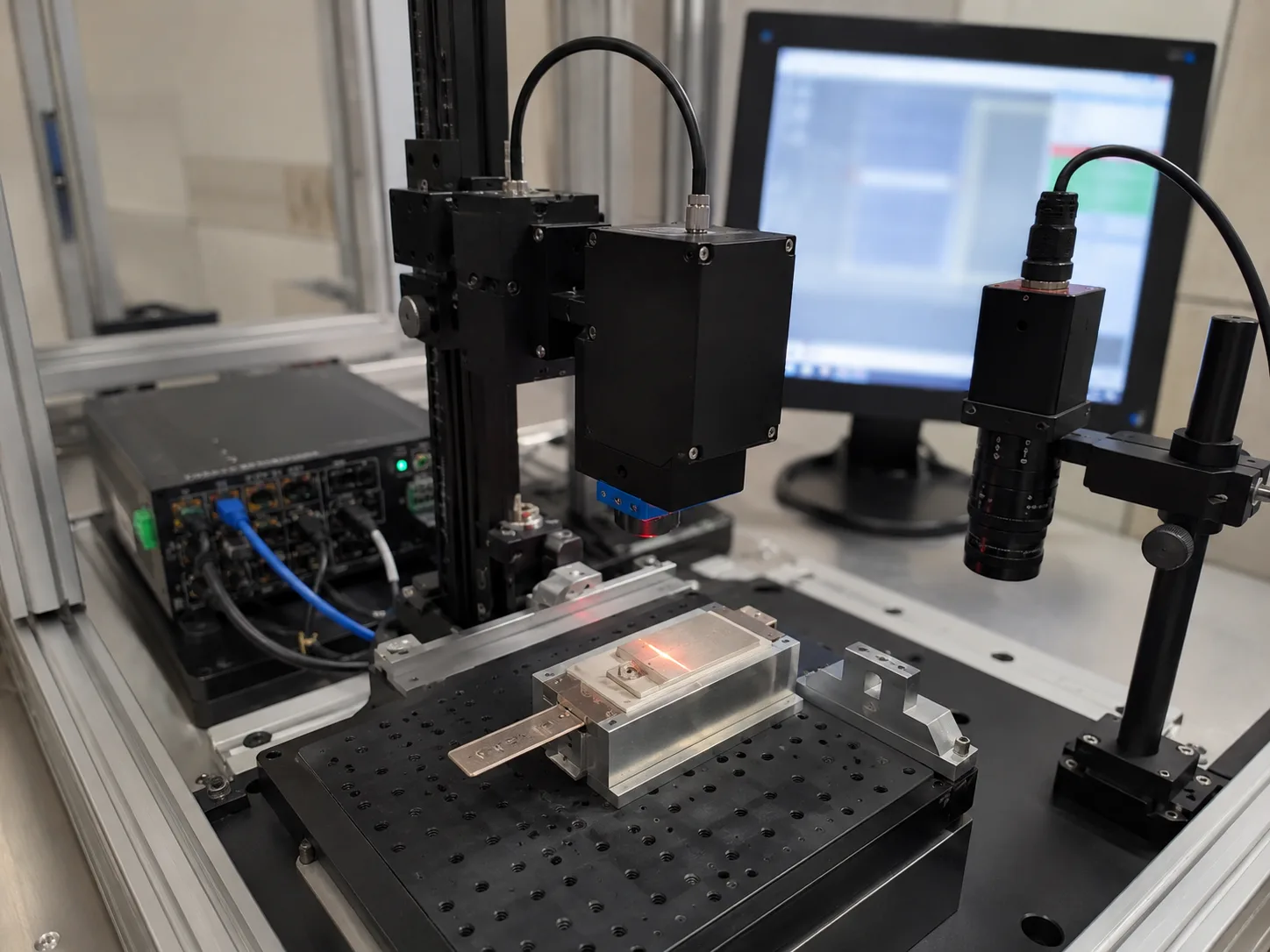
A practical inspection cell may use 2D vision for location, barcode or presence, then use 3D for height or profile measurement. The route should be chosen by acceptance criteria, not by technology preference.

Practical note

The RFQ should describe the evidence, not only the camera type.

Send sample images, defect examples, height tolerance, field of view, working distance, line speed and current failure mode. Deyi can then decide whether 2D contrast, 3D profile or a combined route is safer.

How to test before buying

Use this guide as a pre-RFQ decision filter, not as a part-number shortcut.

Machine vision selection is usually stable when the project starts from the inspection condition instead of a catalog model. Before requesting a quote, define what must be detected or measured, how the part moves, what surface behavior affects contrast and which factory constraint cannot change.

Use this guide to translate the requirement into testable inputs: sample images, target tolerance, line speed, field of view, working distance, mounting envelope and the current failure mode. That gives the factory enough evidence to map the request to camera, lighting, optics, reader or 3D routes.
Decision checks

Three checks before locking the route.

01

2D vision evidence

Uses contrast, edges, print, codes and position in a flat image.

02

3D vision evidence

Uses height, gap, profile, volume or surface geometry.

03

Cost and speed

2D is usually simpler and faster; 3D adds calibration and signal constraints.

Decision table

Use these data points to turn the concept into an RFQ-ready decision.

Factor Practical rule RFQ impact
2D vision evidence Uses contrast, edges, print, codes and position in a flat image. Send good/bad images and target feature size.
3D vision evidence Uses height, gap, profile, volume or surface geometry. Send height range, Z tolerance and surface behavior.
Cost and speed 2D is usually simpler and faster; 3D adds calibration and signal constraints. Confirm whether the acceptance rule truly needs depth.
Common hybrid route 2D locates or reads; 3D measures height or profile. List all outputs needed by PLC, robot or database.

Application proof

Related delivery routes that make this selection decision concrete.

View all cases

Common mistakes

Problems that slow down selection.

  • Selecting by model number before the inspection target is measurable.
  • Treating lighting as an accessory instead of the main contrast-control tool.
  • Ignoring fixture stability, part variation and operator maintenance workflow.

Factory handoff

What Deyi Vision reviews after receiving the project details.

The factory route review starts by checking whether the image can be made stable with lighting and fixture control. Then the camera, lens, reader or 3D sensor route is sized against speed, resolution, interface and installation constraints.

If you already have a Keyence, Cognex, Basler, OPT, LMI, Hikrobot or barcode-reader reference, include it as a reference model. Deyi Vision uses it to understand the application class; final selection still depends on real samples and production limits.

Guide to RFQ

Have a real part, sample image or production constraint?

Use the guide to frame the question, then send the details so engineering can recommend a route.

Request engineering RFQ

Guide FAQ

Questions related to 2d vs 3d machine vision.

Ask engineering
What is the difference between 2D vision and 3D vision?

2D vision makes decisions from a flat image. 3D vision adds height, depth or profile data when geometry matters.

What does a vision 2D search usually mean in industrial inspection?

A vision 2D search usually means 2D machine vision: a camera-based inspection route that uses contrast, edges, position, labels, barcodes or printed features without measuring height or depth.

When is 2D vision enough?

2D is usually enough for printed labels, barcodes, presence, orientation, edge checks and defects that appear clearly through lighting contrast.

When should I choose 3D machine vision?

Choose 3D when pass/fail depends on height, gap, volume, weld profile, flatness, robot Z-position or shape differences that 2D contrast cannot prove.

What should I send for a 2D vs 3D recommendation?

Send sample images, target defect, field of view, working distance, line speed, tolerance, height range if relevant and current inspection failure examples.

Contact

Direct RFQ contact

Talk to engineering about the inspection problem.

Send sample images, competitor model, FOV, working distance and line speed before model selection.

Target: selection brief within 24h
Send sample images