Selection Guides

Line Scan Camera Price Guide

Understand line scan camera price drivers including sensor length, line rate, interface, lens, line light, encoder, controller and web-inspection scope.

Line scan camera product photo for price guide

Direct answer

Line Scan Camera Price Guide

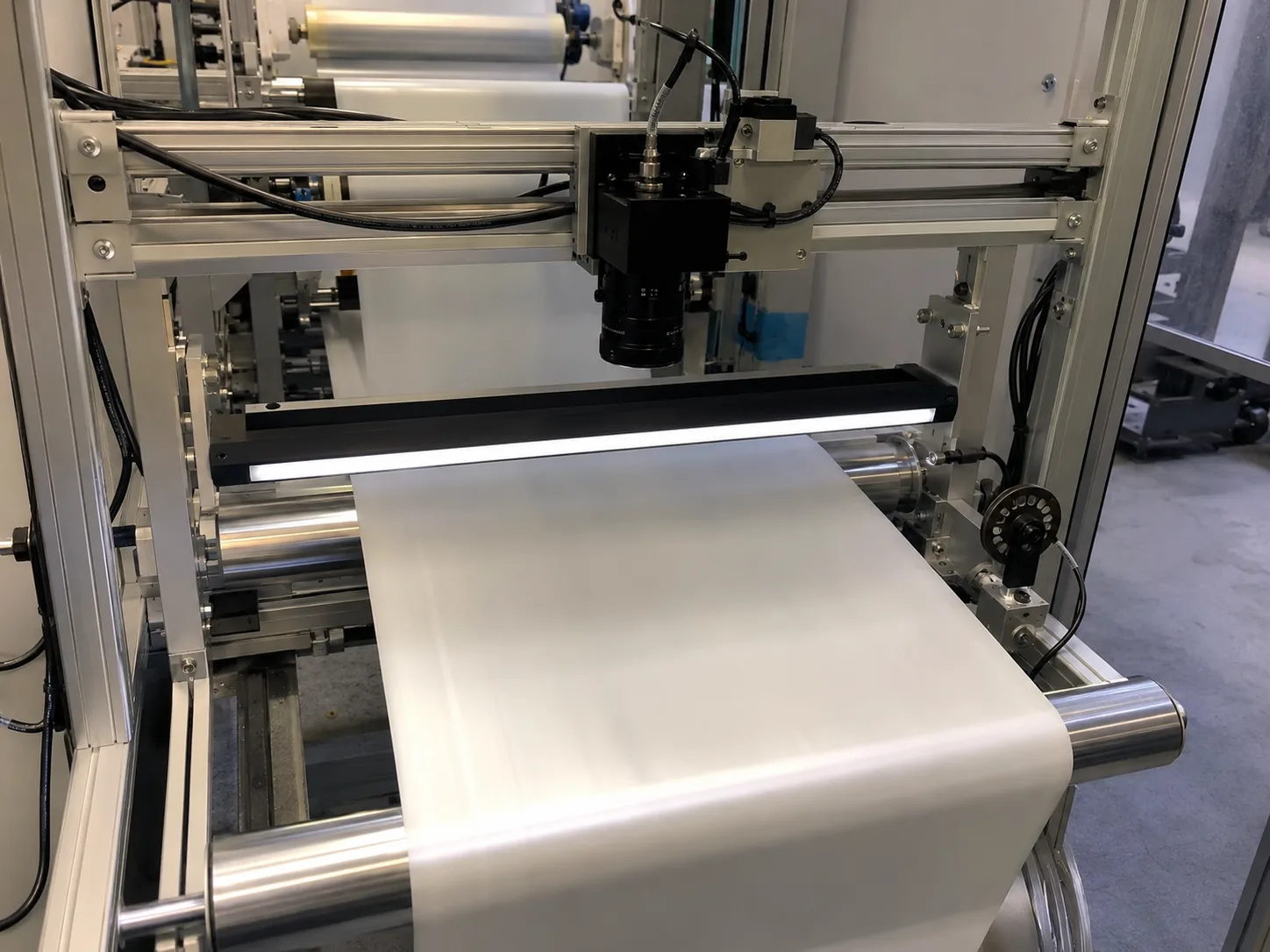
Line scan camera price depends on the full inspection route, not only the camera body. The main cost drivers are sensor length, line rate, interface, lens field width, line light length, encoder synchronization, controller/software scope and whether the quote includes web-inspection commissioning support.

Quick answer

What is the short answer for line scan camera price guide?

A useful line scan price quote needs web width, speed, smallest defect, encoder plan and whether light, lens and controller are included.

Quick answer

What should be confirmed before RFQ?

Check sensor length and line rate.

Quick answer

What evidence should Deyi Vision review?

Budget light, lens and encoder together.

Key takeaways

What this page should help engineering teams decide.

  • Separate camera-only and system pricing.
  • Check sensor length and line rate.
  • Budget light, lens and encoder together.
Key point

Define whether the quote is camera-only or system-route pricing.

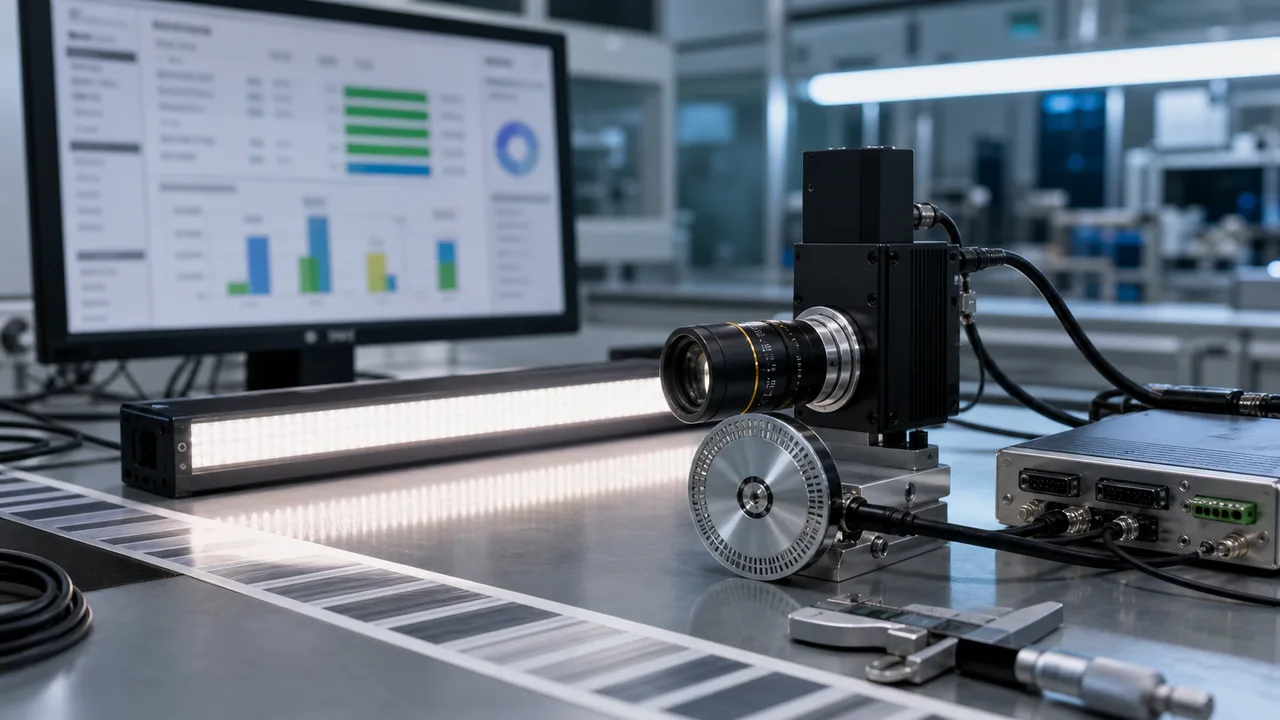
A camera-only quote can look attractive but may omit the line lens, line light, encoder, controller, cable, bracket and acceptance support. For web inspection, the omitted parts often determine whether the image is usable.

Key point

Sensor length and line rate are major price drivers.

Wider materials and smaller defects need more pixels across the web. Faster materials need higher line rate, stronger lighting and more careful exposure control. These requirements can change both camera class and interface.

Key point

Lighting and lens cost should be estimated with the camera.

A line scan camera cannot compensate for weak light or poor lens coverage. Wide-web uniformity, working distance and lens field width should be quoted together with the camera to avoid hidden budget gaps.

Key point

Encoder and integration scope affect final cost.

If material speed changes, encoder synchronization protects image scale. Controller, software, defect threshold, reject output and image storage requirements should be stated before comparing prices.

Selection framework

Use this guide as a pre-RFQ decision filter, not as a part-number shortcut.

Machine vision selection is usually stable when the project starts from the inspection condition instead of a catalog model. Before requesting a quote, define what must be detected or measured, how the part moves, what surface behavior affects contrast and which factory constraint cannot change.

For line scan camera price guide, the engineering team should translate the requirement into testable inputs: sample images, target tolerance, line speed, field of view, working distance, mounting envelope and the current failure mode. That gives the factory enough evidence to map the request to camera, lighting, optics, reader or 3D routes.
Decision matrix

Three checks before locking the route.

01

Camera-only quote

Includes sensor body and interface only.

02

Camera + optics + light

Adds lens and line light matched to width and speed.

03

Encoder route

Adds speed synchronization for changing web speed.

Comparison table

Use these data points to turn the concept into an RFQ-ready decision.

Factor Practical rule RFQ impact
Camera-only quote Includes sensor body and interface only. Useful for replacement, risky for first-time web inspection.
Camera + optics + light Adds lens and line light matched to width and speed. More realistic for production image quality.
Encoder route Adds speed synchronization for changing web speed. Needed when geometry or defect shape must stay stable.
Inspection system scope Adds controller, software, reject output and acceptance support. Best for buyers who need a deployable route, not parts only.

Common mistakes

Problems that slow down selection.

  • Selecting by model number before the inspection target is measurable.
  • Treating lighting as an accessory instead of the main contrast-control tool.
  • Ignoring fixture stability, part variation and operator maintenance workflow.

Factory handoff

What Deyi Vision reviews after receiving the project details.

The factory route review starts by checking whether the image can be made stable with lighting and fixture control. Then the camera, lens, reader or 3D sensor route is sized against speed, resolution, interface and installation constraints.

If you already have a Keyence, Cognex, Basler, OPT, LMI, Hikrobot or barcode-reader reference, include it as a benchmark. Deyi Vision uses the reference to understand the application class; final selection still depends on real samples and production limits.

Guide to RFQ

Have a real part, sample image or production constraint?

Use the guide to frame the question, then send the details so engineering can recommend a route.

Request engineering RFQ

Guide FAQ

Questions related to line scan camera price guide.

Ask engineering
How much does a line scan camera cost?

The camera body price depends on sensor length, line rate and interface, but a production quote should also include lens, line light, encoder and controller assumptions.

Why do line scan camera quotes vary so much?

Quotes vary because some include only the camera, while others include optical coverage, lighting, synchronization, software and commissioning support.

What should I send for a line scan camera price estimate?

Send web width, material speed, smallest defect, material surface, working distance, encoder availability and whether the quote should include light, lens, controller and software.

Catch Defects First