Selection Guides

Industrial Barcode Reader Selection Guide

Select fixed industrial barcode readers by code type, module size, read distance, line speed, lighting route, trigger timing and no-read handling.

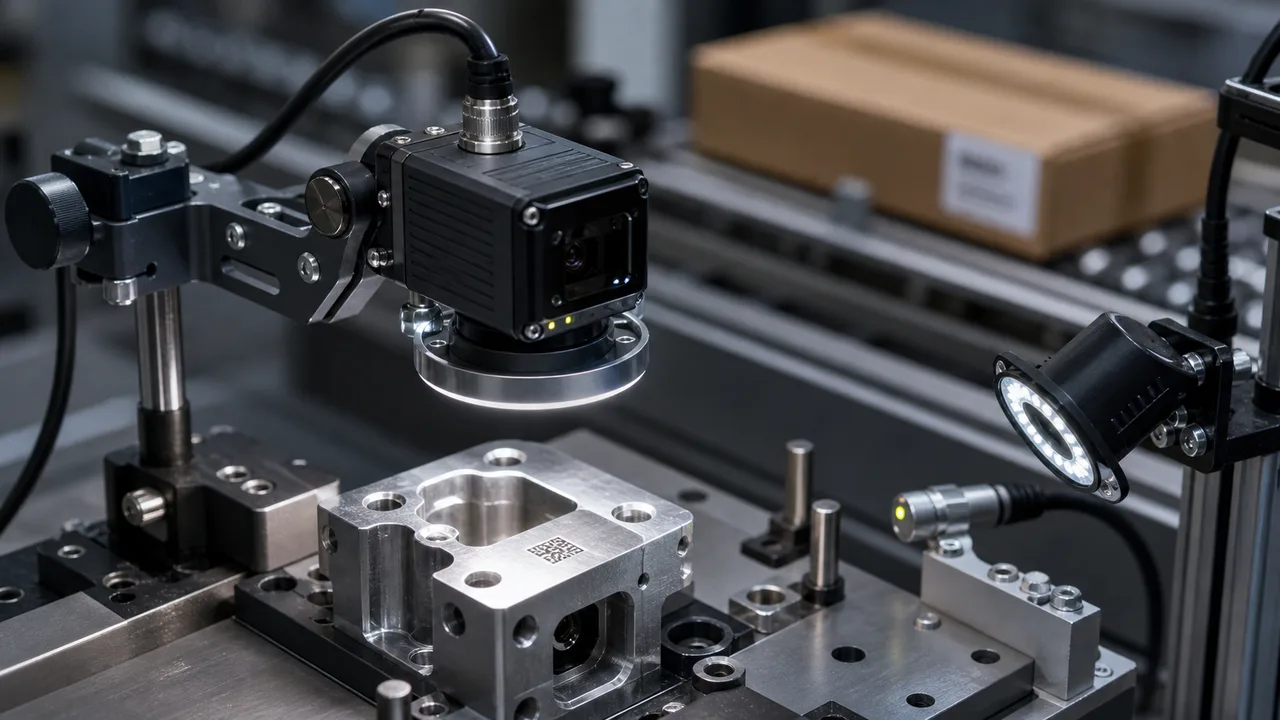
Fixed industrial barcode reader aimed at a direct part mark on a machined metal part

Direct answer

Industrial Barcode Reader Selection Guide

A fixed industrial barcode reader should be selected from the worst-case code sample, not the best printed label. Confirm code type, module size, surface finish, read distance, movement speed, trigger timing, lighting route and target read rate before locking the reader.

Where this matters

Barcode reader selection starts from the worst production code.

The right fixed reader is the one that repeats on the hardest code at production speed, with the same distance, angle, lighting and trigger timing the line will use.

Why projects fail

One clean decode is not manufacturing acceptance.

Printed labels, glossy packages and DPM marks can all fail when motion blur, glare, small modules or no-read routing are ignored during selection.

RFQ preparation

Send real code evidence and output rules.

Provide code images, code type, module size, surface material, read distance, speed, trigger method, target read rate and PLC or database output requirement.

What engineering should check

What this page should help teams decide.

  • DPM marks need different lighting than printed labels.
  • Motion speed determines exposure, trigger and reader placement.
  • Acceptance should be based on repeat read rate, not one successful decode.
Practical note

Start from the hardest code, not the easiest label.

Printed carton labels, glossy package codes, etched metal DPM marks and dot-peen DataMatrix codes behave differently. The selection sample set should include poor contrast, damaged edges, reflection and position variation.

Practical note

Read distance and module size decide optical difficulty.

A small module code at long distance needs more pixels, better focus and tighter mounting than a large high-contrast label. Code size, reader distance, lens route and field of view should be reviewed together.

Practical note

DPM code reading is usually a lighting problem first.

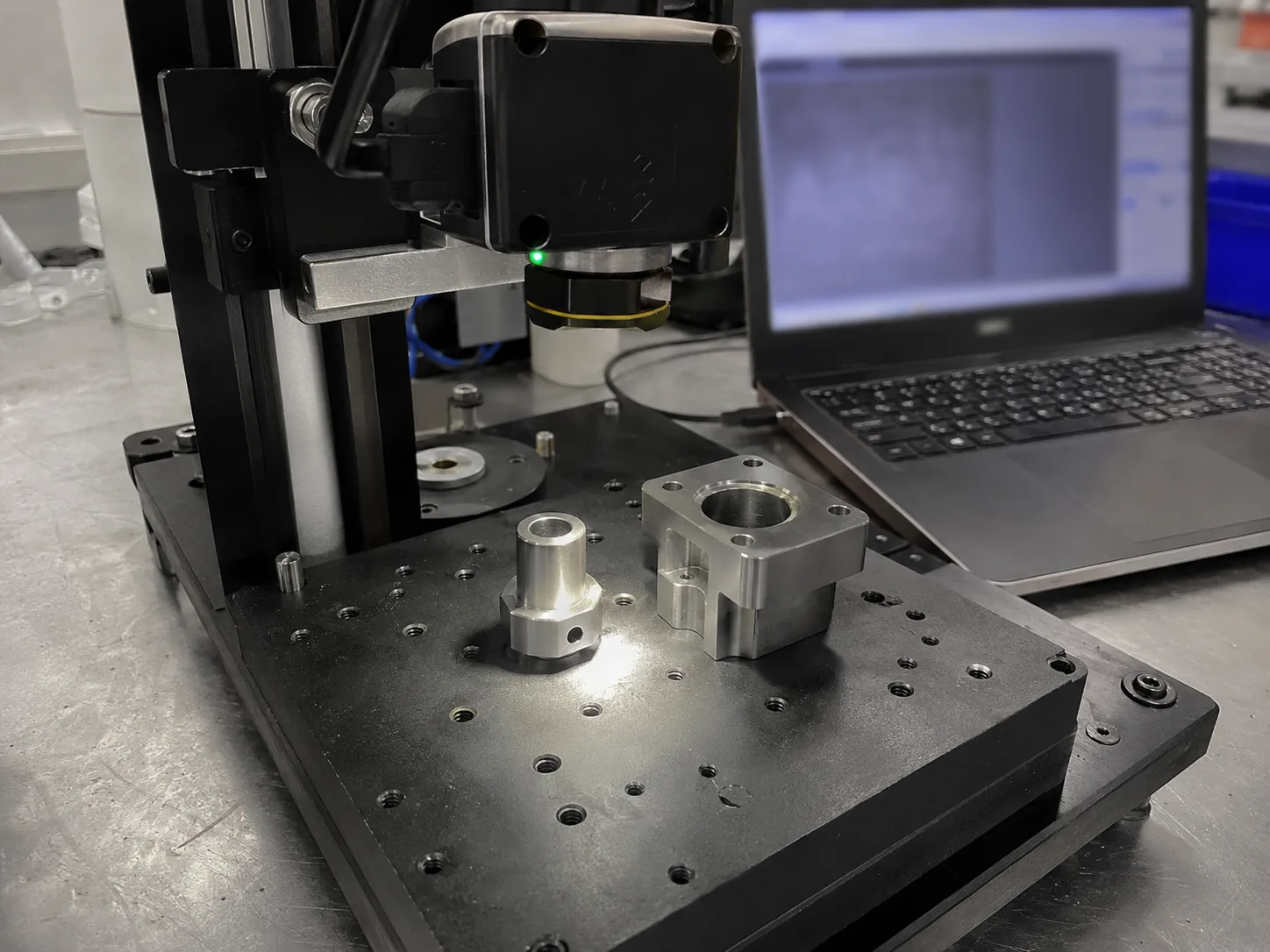
Direct part marks on metal or plastic can disappear when the light angle changes. Coaxial, dome, low-angle bar or integrated reader lighting should be tested against real material finish before model selection.

Practical note

Plan no-read output before installation.

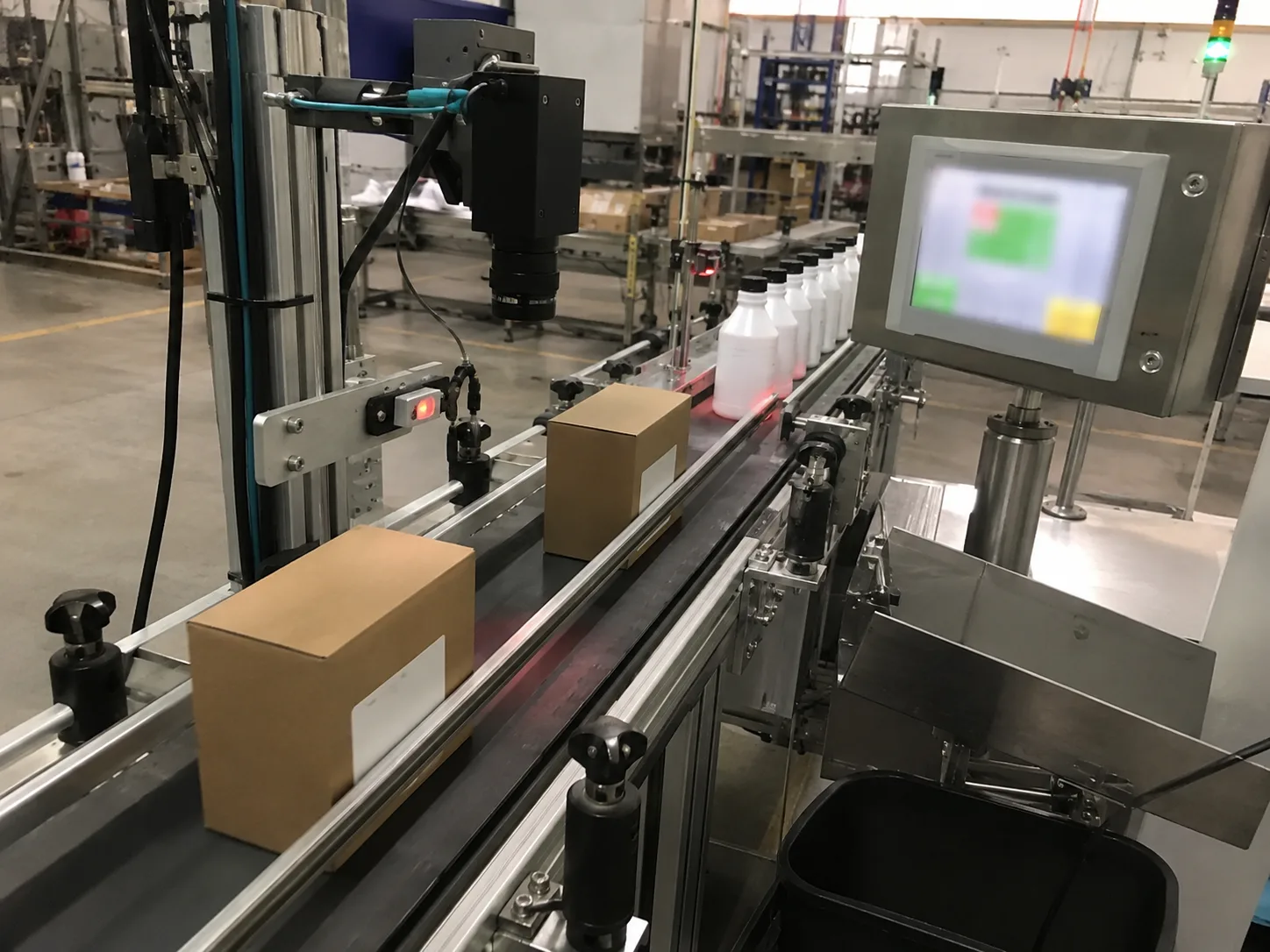
Production readers need trigger input, PLC output, Ethernet or serial communication, result timing, image saving and no-read handling. These requirements can change the reader class and integration cost.

How to test before buying

Use repeat read-rate checks before locking the reader.

Test worst-case labels and DPM samples at target speed, then confirm lighting, trigger, read distance and no-read handling before treating the model as production-ready.

Decision checks

Three checks before locking the route.

01

Printed label

Usually higher contrast and easier to read, but motion blur and label position still matter.

02

DPM mark

Needs real material samples because mark depth, surface finish and lighting angle control contrast.

03

Moving conveyor

Exposure, trigger timing and reader placement must fit the speed window.

Decision table

Use these data points to turn the concept into an RFQ-ready decision.

Factor Practical rule RFQ impact
Printed label Usually higher contrast and easier to read, but motion blur and label position still matter. Send label size, code type, conveyor speed and read zone.
DPM mark Needs real material samples because mark depth, surface finish and lighting angle control contrast. Send laser, etched or dot-peen samples and worst-case photos.
Moving conveyor Exposure, trigger timing and reader placement must fit the speed window. Send speed range, trigger method and reject distance.
Traceability output Reader result must match PLC, database or MES handoff requirements. Confirm Ethernet, serial, I/O, image storage and no-read rules.

Application proof

Related delivery routes that make this selection decision concrete.

View all cases

Common mistakes

Problems that slow down selection.

  • Selecting by model number before the inspection target is measurable.
  • Treating lighting as an accessory instead of the main contrast-control tool.
  • Ignoring fixture stability, part variation and operator maintenance workflow.

Factory handoff

What Deyi Vision reviews after receiving the project details.

The factory route review starts by checking whether the image can be made stable with lighting and fixture control. Then the camera, lens, reader or 3D sensor route is sized against speed, resolution, interface and installation constraints.

If you already have a Keyence, Cognex, Basler, OPT, LMI, Hikrobot or barcode-reader reference, include it as a reference model. Deyi Vision uses it to understand the application class; final selection still depends on real samples and production limits.

Guide to RFQ

Have a real part, sample image or production constraint?

Use the guide to frame the question, then send the details so engineering can recommend a route.

Request engineering RFQ

Guide FAQ

Questions related to industrial barcode reader selection guide.

Ask engineering
How do I choose an industrial barcode reader?

Start with code type, module size, read distance, movement speed, surface finish, lighting difficulty, communication output and target read rate.

Why are DPM codes harder than printed labels?

DPM marks usually have lower contrast and depend heavily on mark depth, material finish, light angle, mounting distance and surface reflection.

What evidence is needed for a barcode reader RFQ?

Send real code images, code type, code size, material, distance, speed, trigger method, mounting limits, required read rate and output protocol.

Contact

Direct RFQ contact

Talk to engineering about the inspection problem.

Send sample images, competitor model, FOV, working distance and line speed before model selection.

Target: selection brief within 24h
Send sample images